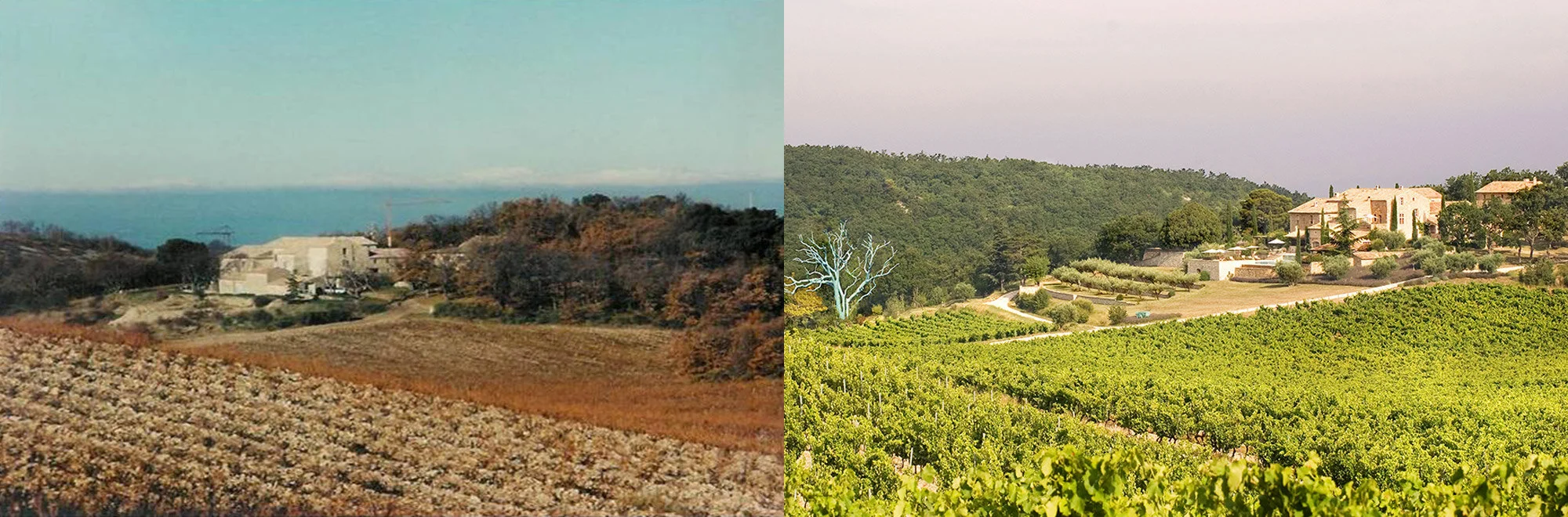
OUR HISTORY
HOW LA VERRIÈRE CAME TO BE
“We couldn’t possibly pass up the opportunity to bring this medieval priory and its wild vineyard back to life. What a privilege to exalt the potential of this exciting high-altitude micro-terroir, forgotten by time and surrounded by pulsating nature. Its ancient heart gets to beat again, only faster and stronger.”
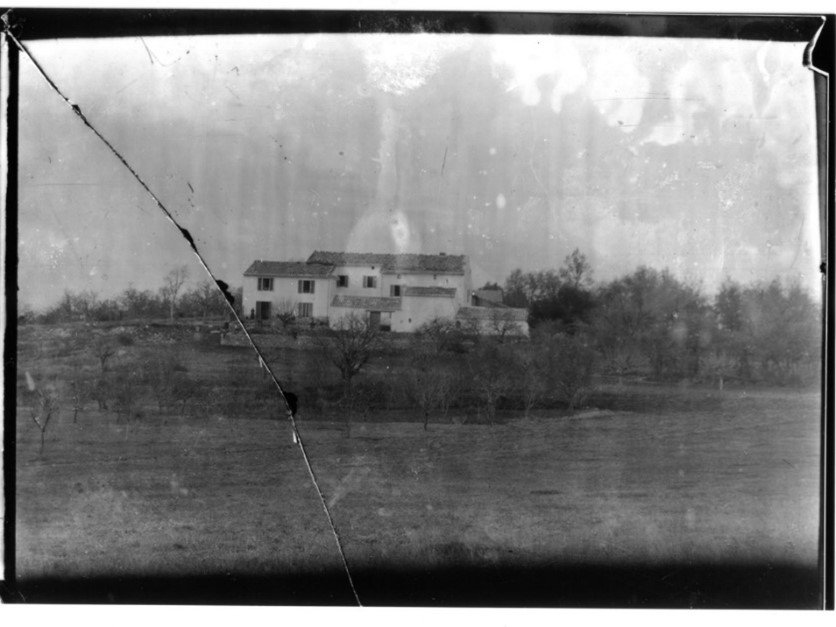
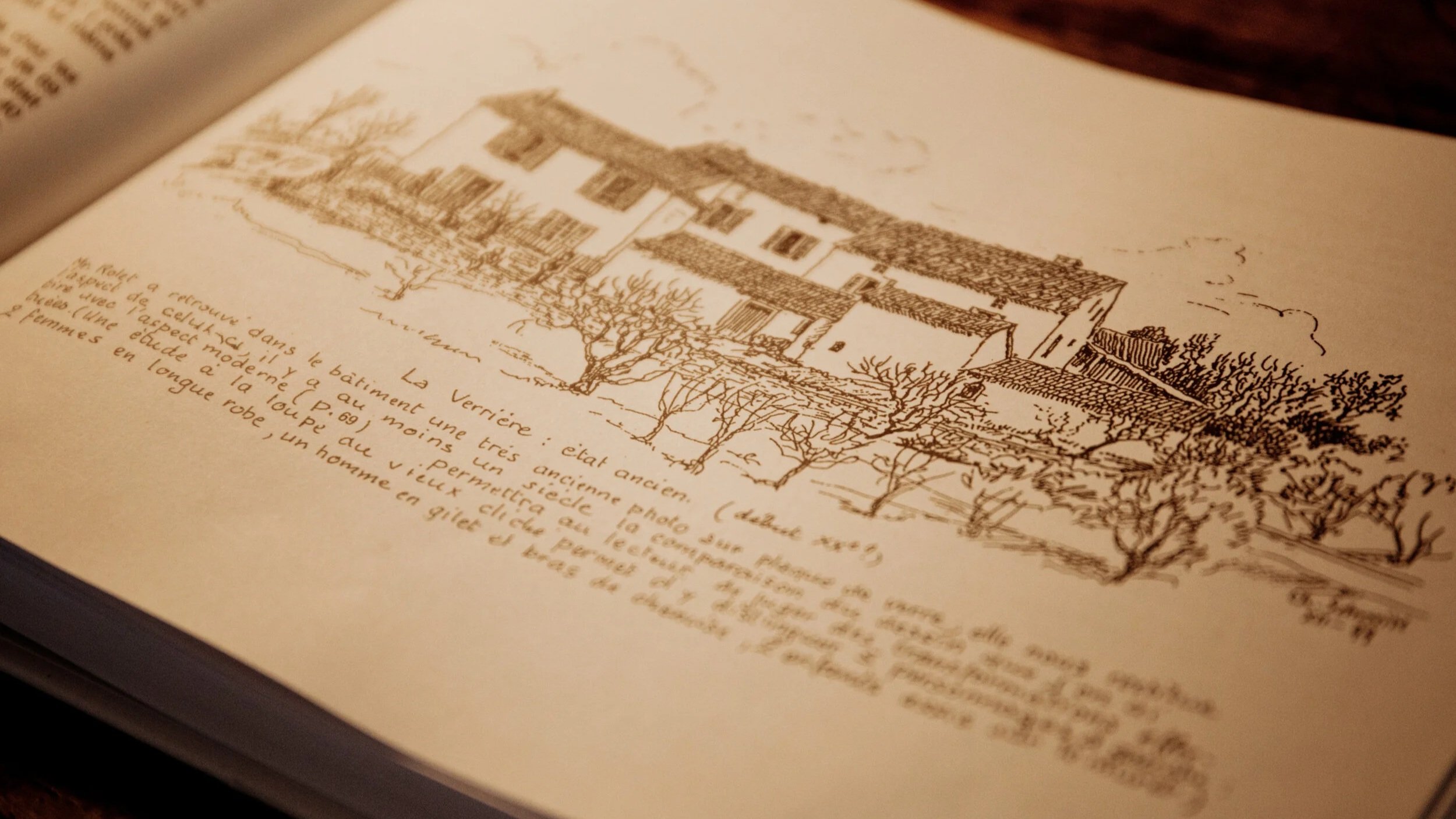
Antiques in our attic - A 19th Century daguerreotype image of La Verriere.
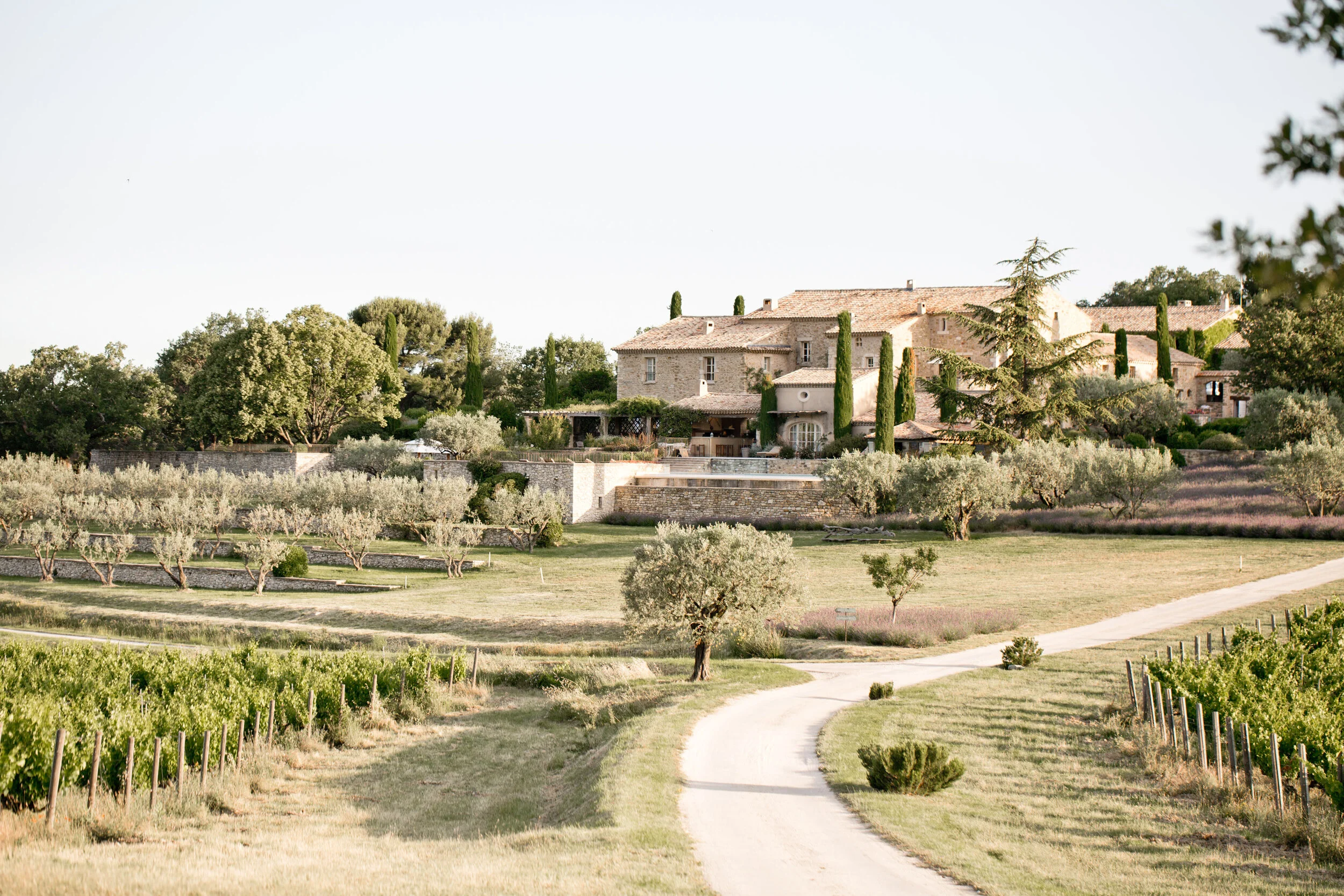
“Few wineries date back as far as Chêne Bleu, an idyllic estate perched like an eagle’s nest close to Mt Ventoux in Provence.”
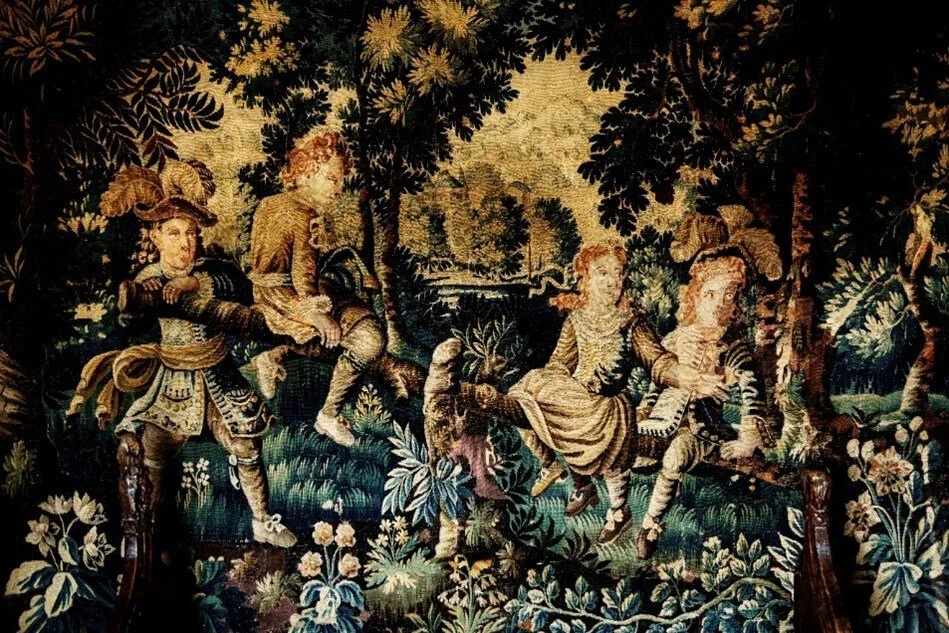
Tapestry from the priory.
The land at La Verrière, once home to a Celtic village, then a Roman oppidum, has now been inhabited for over a thousand years. Several pavilions, still standing today, date back to the 9th century when the property was known as ‘La Regardette’ [‘The Look-out Point’] because of its breathtaking views down onto the valley of Vaison-la-Romaine. By the time of the Crusades it had become a priory and an outpost for Knights Templar patrolling the valley below.
It was also a place of religious pilgrimage: the ancient spring was believed to have miraculous qualities to help cure blindness. To this day the spring appears on Vatican maps. The whole estate depends on its natural groundwater, which feeds our vines.
The nearby Abbaye of Prebayon eventually laid claim to the site, planting its very first vineyards.
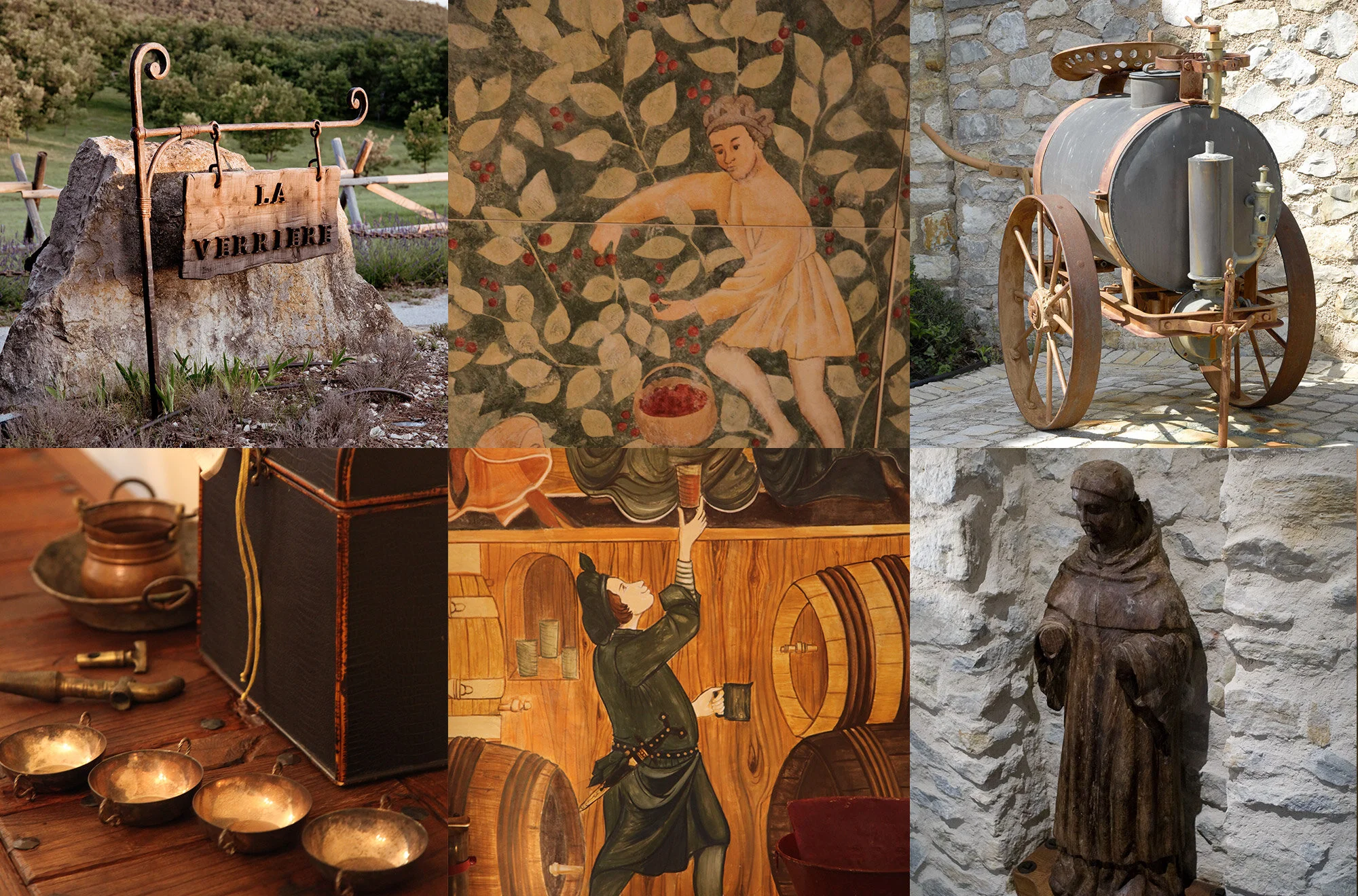
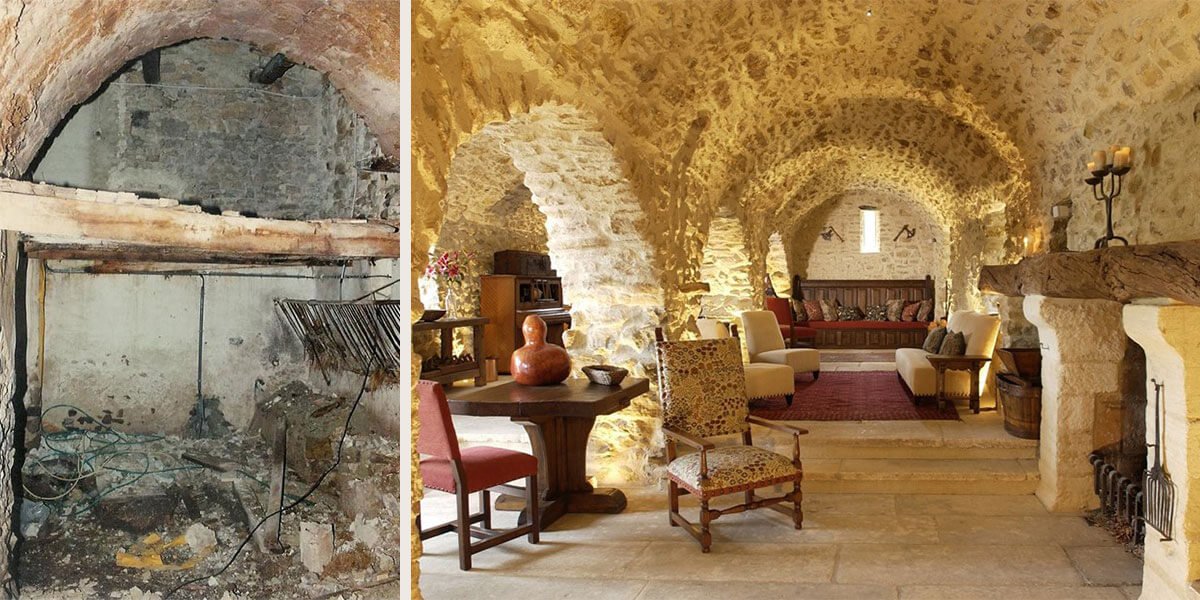
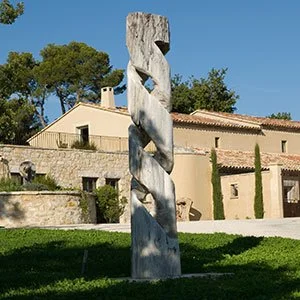
Details around the property harken back to its Medieval roots.
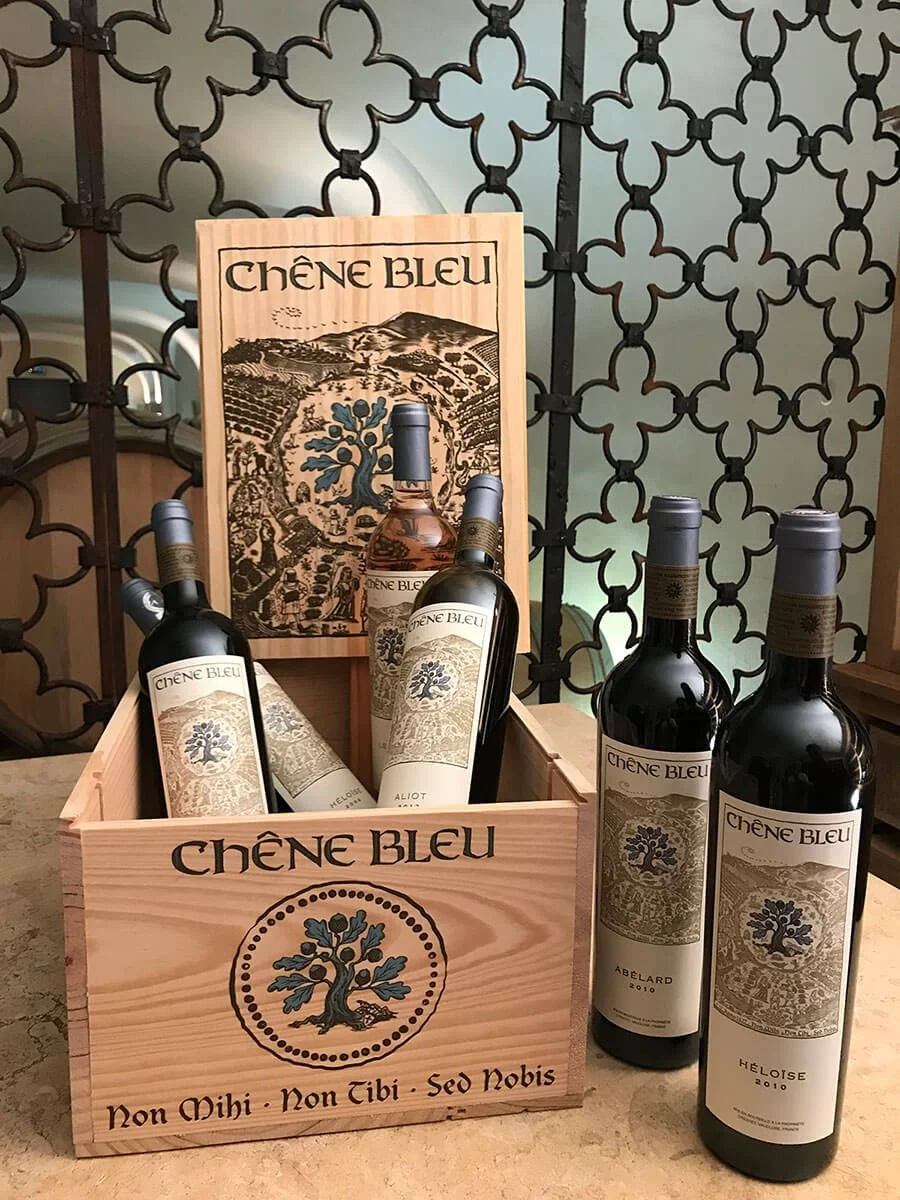
The priory was then re-named in 1427, when nobleman Aliot de Montvin secured a prestigious, lucrative glass-blowing license from the Bishop of Vaison. He moved there with his mobile furnaces and changed the name to ‘La Verrière’, the French term for ‘glass blowing workshop’. We named our first white wine Aliot in his honor.
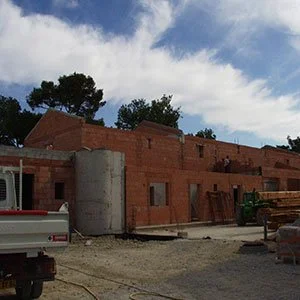
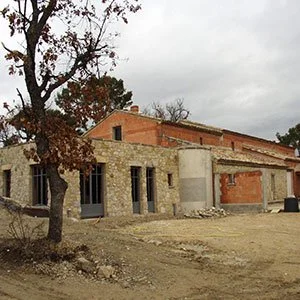
The property remained in the same family for many generations, but the arrival of creature comforts in the valley competed with the spartan lifestyle of the hills. The abandoned site, its roof caved in, sheltered only local hunters and farmers’ sheep during seasonal migrations. Subject to a big inheritance feud and then put on the market for a pittance, it remained without takers for many years.