FR |
Cart 0


Vineyard
 

VIneyard

A determination to transform an abandoned terroir has resulted in international respect.
— Richard Siddle, The Buyer

“They always say fine wines are made in the vineyard. This ancient site mainly nurtures extremely old Grenache and Syrah vines, planted in the 50’s and 60’s. To these, we have added smaller quantities of other varieties: Roussanne, Marsanne, Viognier, White Grenache, Vermentino [Rolle], Cinsault and, more recently, Mourvèdre and Clairette.  Together, these vines complement our classic Rhône base and take full advantage of the freshness brought about by our incredible altitude.

The old vines and rigorous hand-pruning result in deliberately low yields. Ours typically average 15-28 hl/ha on our top reds, compared with 35hl/ha in Châteauneuf-du-Pape and 65hl/ha in the Valley. 

This concentrates their quality at the expense of quantity - but is not for the faint of heart!
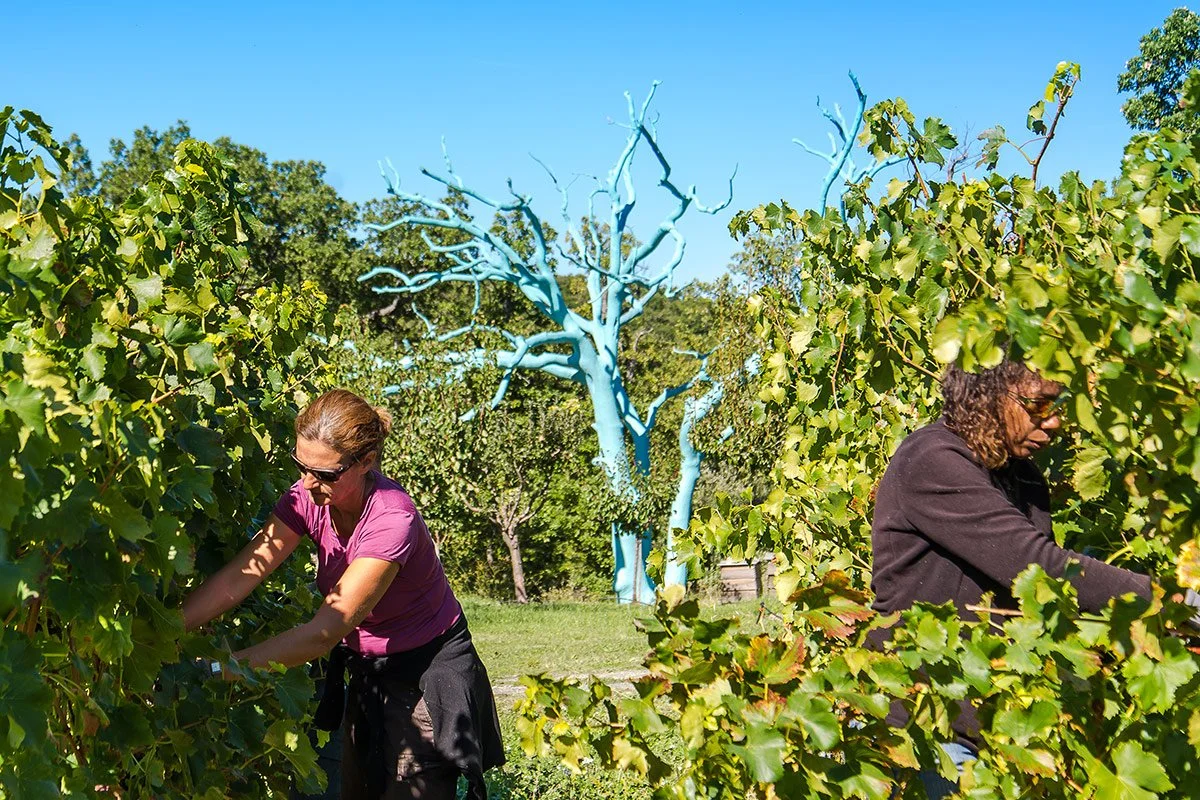
 
Benedicte and Patty
 

NATURAL NURTURING

Walking up to La Verrière through the forest, the intensity of the site hit me at a visceral level… the exciting pollution-free terroir, the extraordinary biodiversity of the surrounding woodlands, the old vines whispering tales about hard times and deep roots.

My family and I soon realized there was a unique opportunity to go beyond standard organic and biodynamic principles: we harnessed our viticulture to Nature’s sustainable systems.


NO CHEMICAL FERTILIZERS & PESTICIDES

Good grapes come from good land, and good land is living land.  How could we foster the creation of new life? 

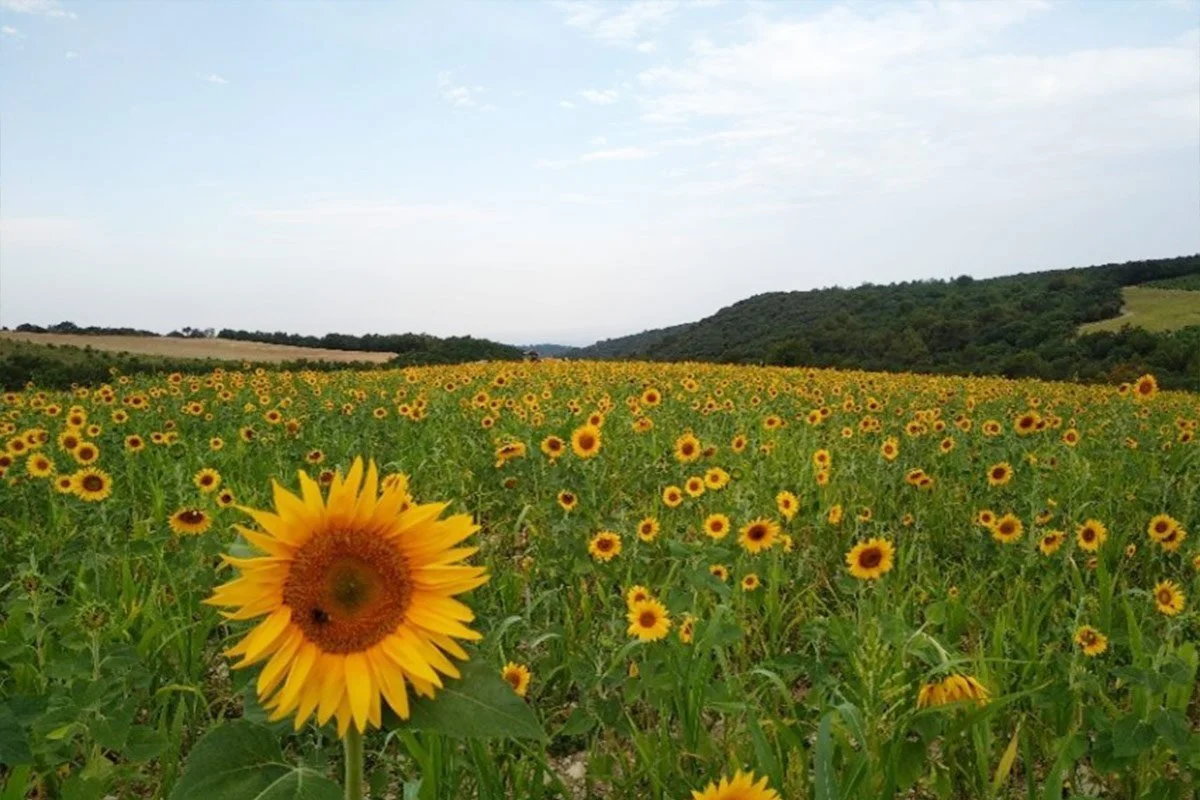
Planting new vines is one of the challenges in mountainous terrains, where rain washes away topsoil and nutrients. To give new vine plantings the best chance to succeed in this barren subterranean universe, we longed for more organic material.  We learned to plant cereals such as Sorghum, Vetch (a legume in the pea family), and also fields of sunflowers, on certain plots to break down stones in the soil, reduce erosion, and create a vibrant, living organic mulch.

Chemical fertilizers can give vines a short-term energy boost — like steroids to an athlete — but they don’t feed the complex microbial ecosystem that supports sustainable life.  Similarly, many farmers still believe ploughing and tilling are the right way to aerate the land, but we found that over the long-term it destroys the soil structure and suffocates both aerobic and anaerobic micro-organisms. Refusing to till adds a ton of extra work and costs to our process, but we’re convinced this is the only way to safeguard the future health of our vineyard, and ultimately the quality of our wines.


SUSTAINA-BEE-LITY

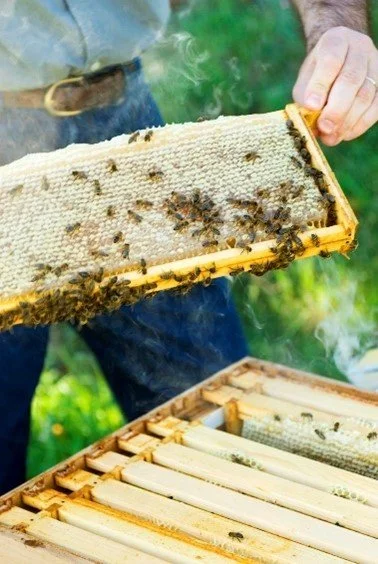
Our hands-on observations led us to launch the SustainaBEElity crowdfunding initiative to research the role of bees in making better wine.  We have doubled the number of beehives on the property, enhancing the habitat around the vineyard and turbo-charging biodiversity.

In addition, it has now been recognized that microbiome is essential to the quality, complexity and style of the wine.  For full information about our sustainability initiatives please visit our dedicated page and our bleug on SustainaBEElilty

 
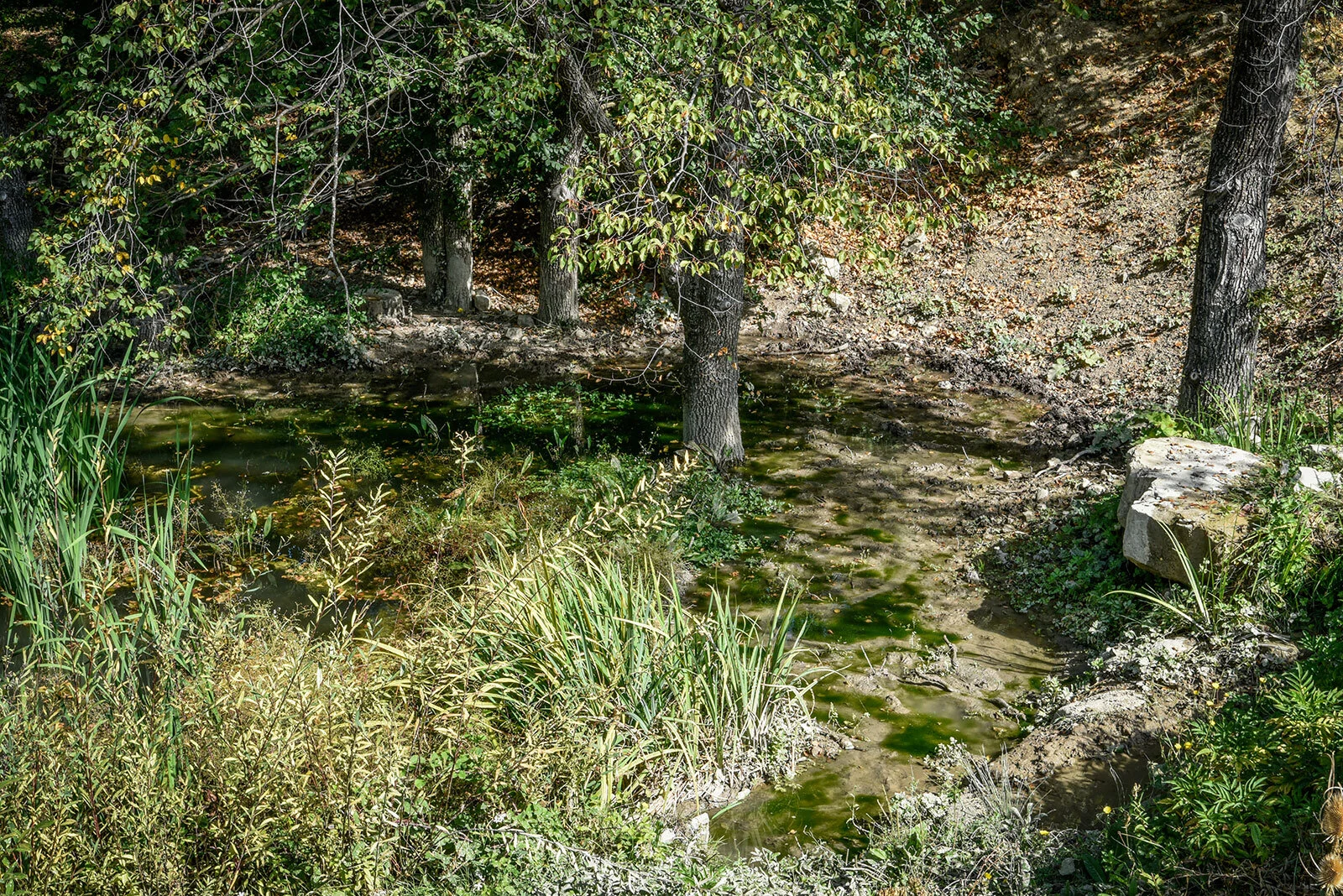
   The wild boar spa

Our ‘Champneys’ for the Boars!


WHO’S THE BOSS?

Despite our acute awareness of the land’s natural cycles, Nature herself sometimes slaps us with the back of her hand and reminds us of who’s in charge!  In the heat wave of 2003, we lost several of our newly planted parcelles of white grapes.

And in the drought of 2017, wild boars gobbled up our viognier grapes the night before harvest, allegedly because of thirst rather than hunger!  We’ve now set up a wild boar spa to give them all the mud and hydration they need and keep them out of the vineyard.


MINIBLOCKS FOR DIFFERENT ROCKS

To showcase the unusual geology, we divided La Verrière's vineyard into lots of ‘mini-parcelles’ — small plots that reflect the specific characteristics of each mineral composition — and then adjusted the winery and barrel work to reflect the different flavor profiles.

With this framework in place, we were able to tailor our practices, developing a ‘micro-terroir management method’ that extends from our vineyard to our vinification and élevage.

 
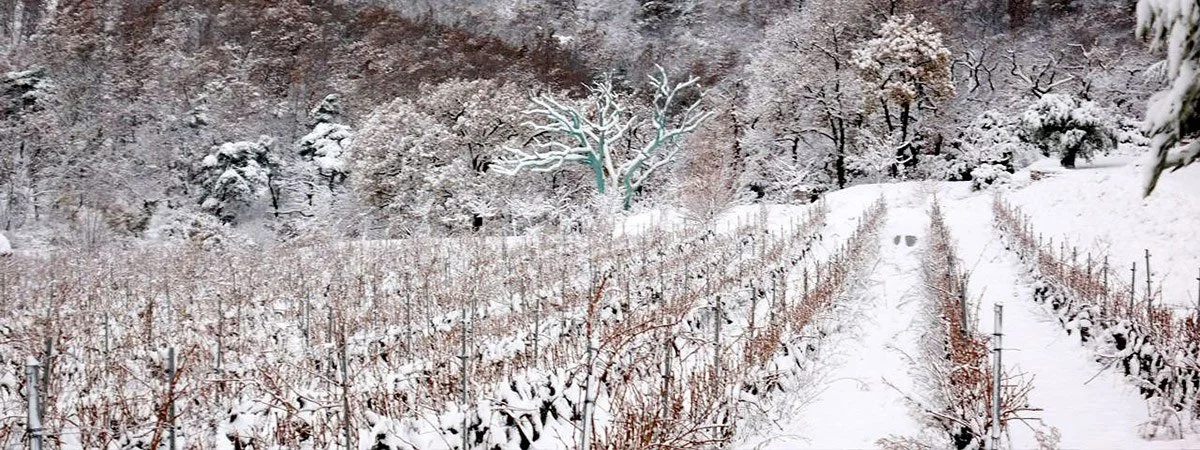
La verriere on snow
 

THE CHÊNE BLEU CHALLENGE

It is known that vines that struggle to survive work harder to produce their best fruit. Our vineyard's challenging conditions are most suited to ‘extremophiles’: they force vines and people out of their comfort zones but that’s where both thrive and give the best of themselves.

This premise, perhaps foolhardy to others, is exactly what continues to motivate us.  We designed our Chêne Bleu range of wines to show that sustainability and quality are not opposites but work hand-in-hand with each other to create something greater — highlighting elegance, refinement, complexity and aging potential.


HAPPY HAND-HARVEST HABITS

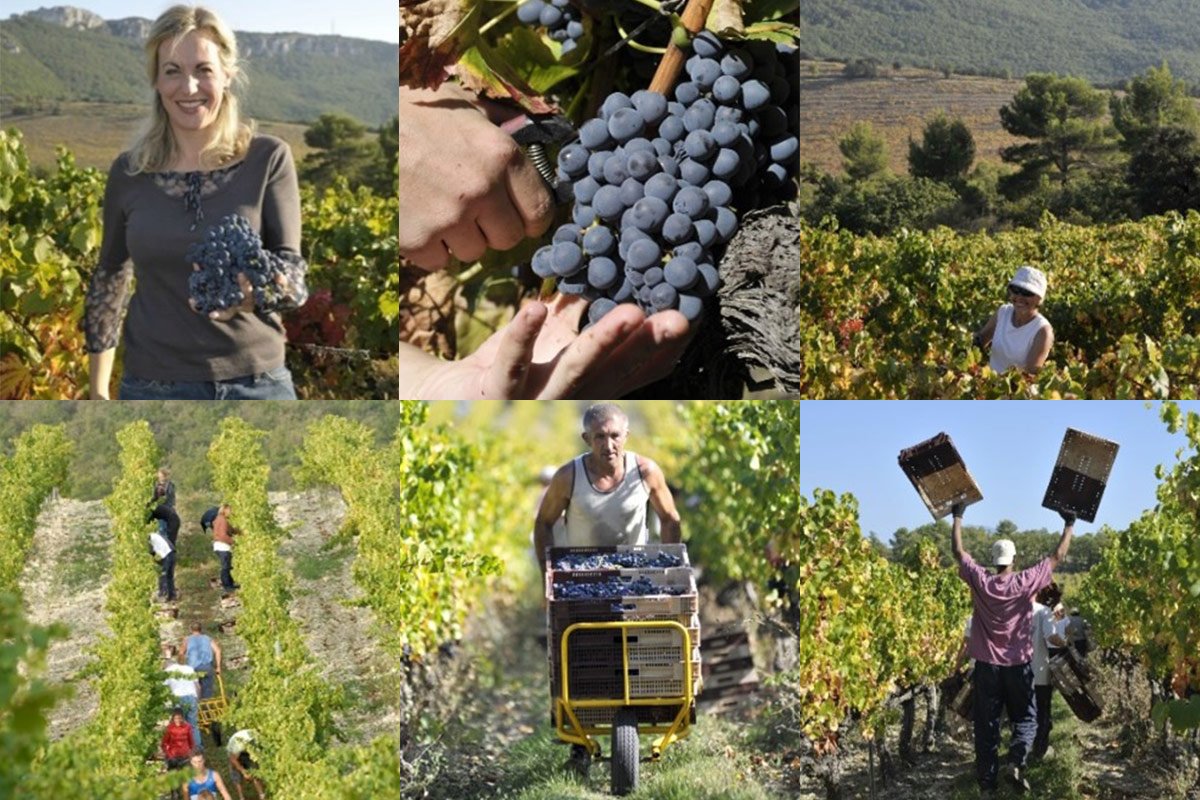
Our elevation taught us to harvest mainly in October rather than in August or September, a good 4-5 weeks later than our friends in the valley.  These start dates have been moving earlier with Climate Change, but the timing gap remains constant. The cooler conditions reduce the risk of premature oxidation and spoilage from the heat (our furthest vines are 10 minutes max from the winery). 

We select and pick everything by hand. For certain cuvées and/or vintages we carefully layer the clusters into special crates used by Grand Crus; single layering avoids crushing the grapes too soon.

Our dedicated seasonal helpers join us in a quest for quality over speed.  Precise timing in the staggered harvest sequence sometimes requires an expensive hiatus in picking or doubling the team size. 

It is always an especially convivial time of year as we break bread over hearty home-cooked lunches, which provide welcome respite to this back-breaking work.


Chêne Bleu could one day achieve ‘cult’ wine status, a “Screaming Eagle” having taken flight from Provence’s garrigue.
— Dale Robertson, Houston Chronicle