WILDLIFE
“Chêne Bleu is basically a vineyard within a nature preserve.”

“Chêne Bleu is basically a vineyard within a nature preserve.”
It is such a privilege to make wine in the heart of a UNESCO biosphere reserve, where they have recorded hundreds of species of animals, 1200 plant species, 120 species of birds, and thousands of families of insects [1400+ of butterflies alone]. These are some of our most beloved:
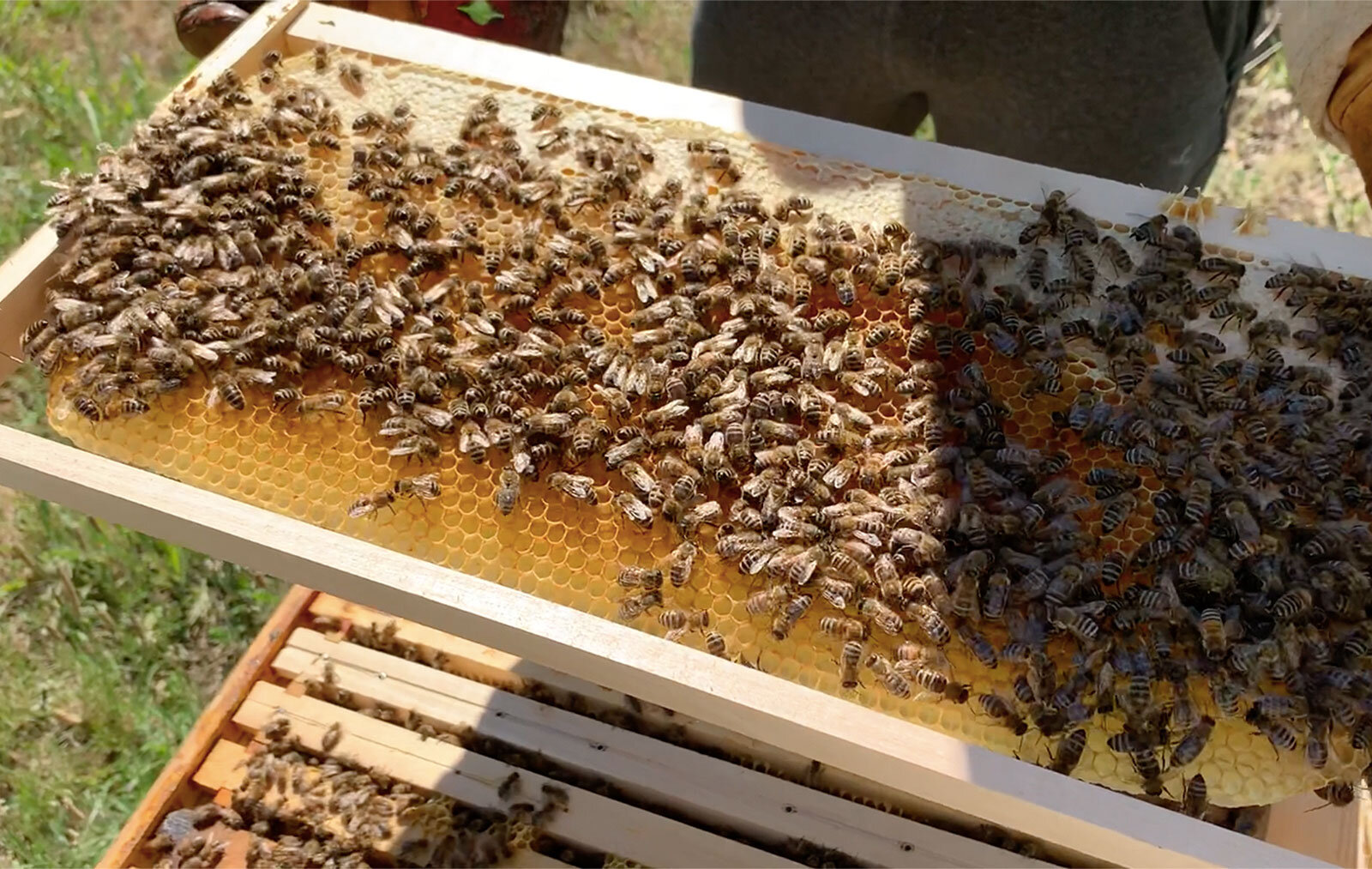
BEE the change…
Our resident bees and their wild counterparts have played a major role in preserving the La Verrière ecosystem. Of course, they pollinate the vines and all the other plants on the estate. But we are also experimenting with their propolis to strengthen the vines’ immunity against pests and monitoring the impact of pollinators on indigenous yeasts on and in the grapes.
Some time ago, we set up the ‘SustainaBEElity’ crowd-funding project which has directly led to a tripling of our beehives and set in motion a comprehensive study to assess the role of bees in making better wine: updates on the project and our findings are detailed on our sustainability and biodiversity page. Their buzzing is the audible reassurance that life is flourishing at La Verrière, and our pure organic mountain wildflower honey has won fans around the world.
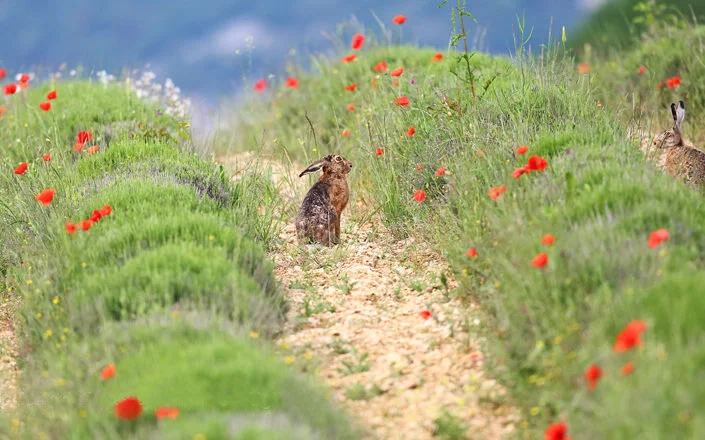
Hare raising.
Halfway through the food chain, our furry ‘Leporid’ friends serve as a convenient way to check on the healthy balance in a natural ecosystem. It is customary to count the rabbit population to ensure everything is working in harmony: too many of them would indicate a deficiency of their predators, too few may denote a decline in their usual food sources or some other stress factor - the ‘canary in the coal mine’. This essential role, in addition to their endearing image, is what led us to adopt them as our mascot, reflected in their special feature in the treasure hunt on our label.
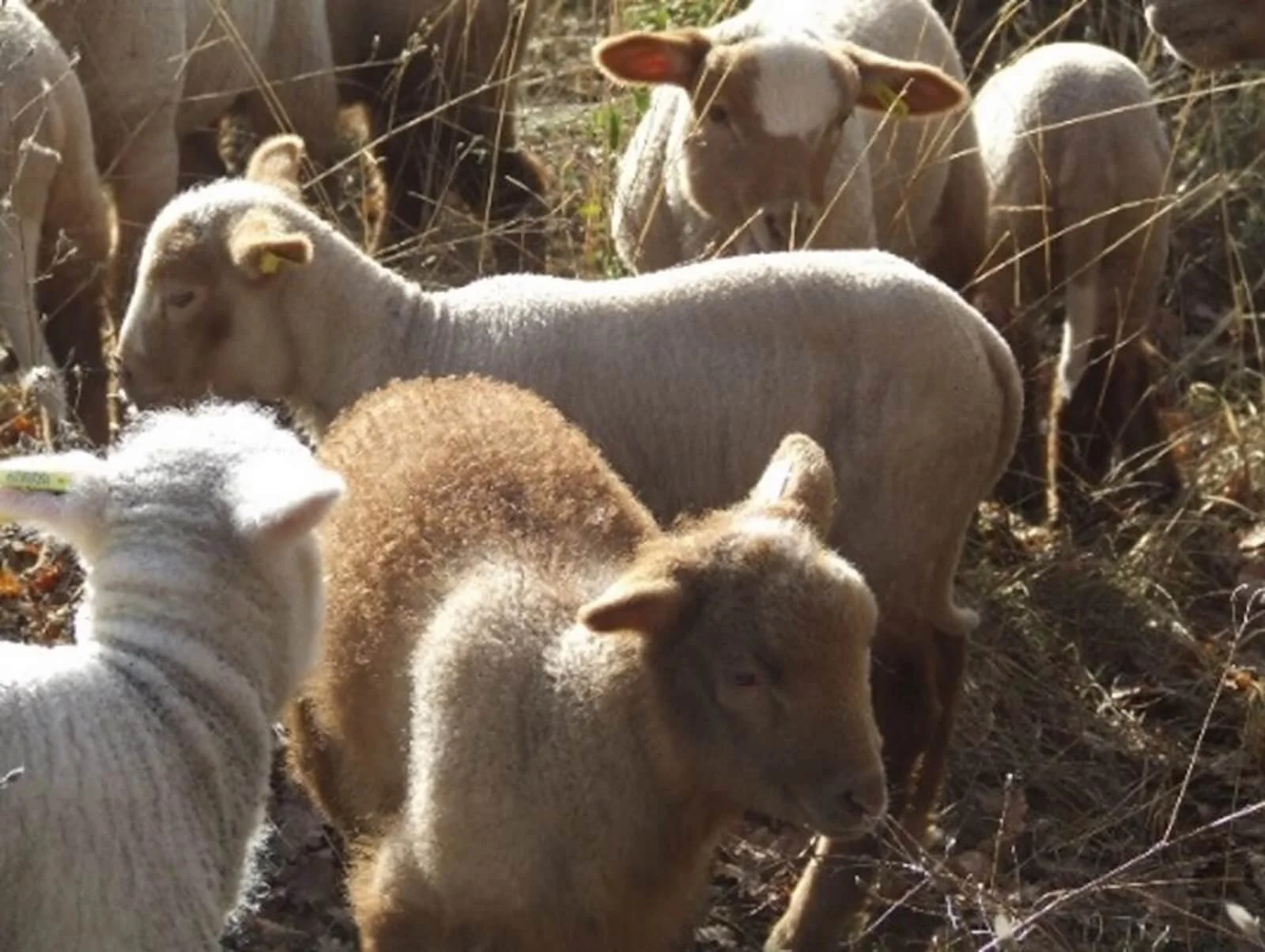
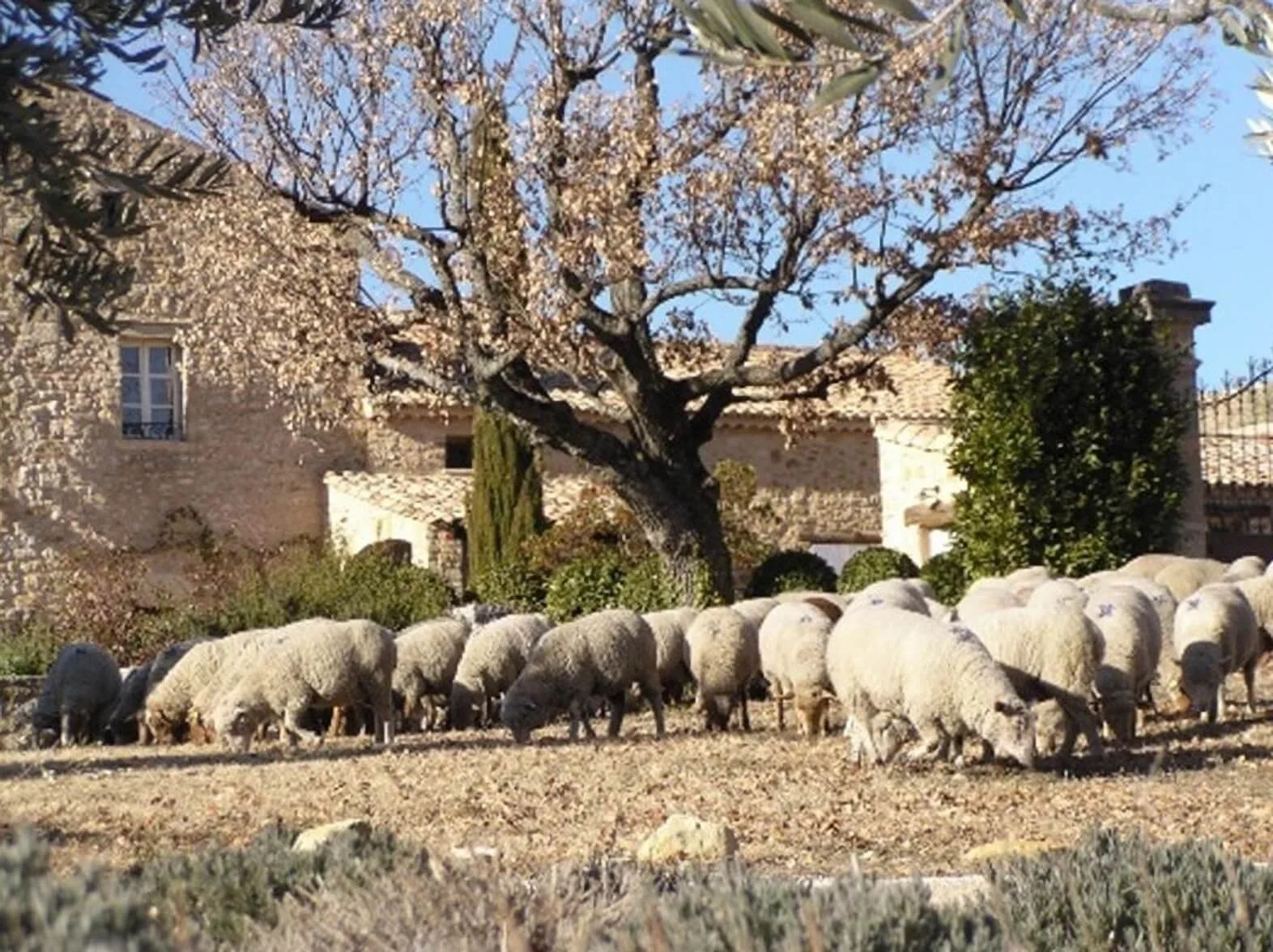
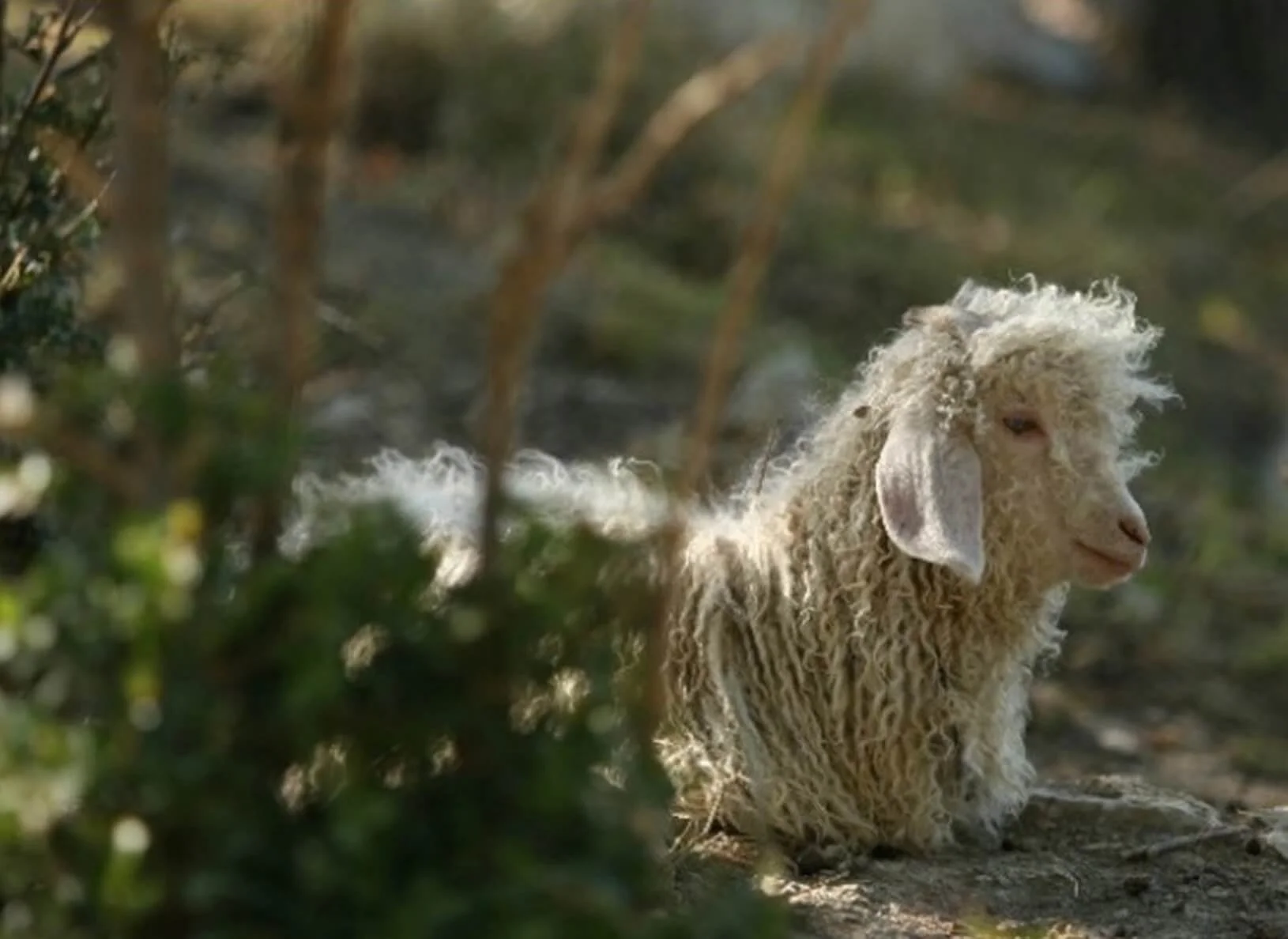
Our woolly wanderers.
For centuries La Verrière housed sheep through the winter to shelter them from the harsh Alpine weather conditions. We brought back a shepherd, a charming young Savoyard, to reinstate this seasonal migration. The flock’s effective grazing ensures excellent natural weed control as they fertilise our soil with precious manure for the next growing season.
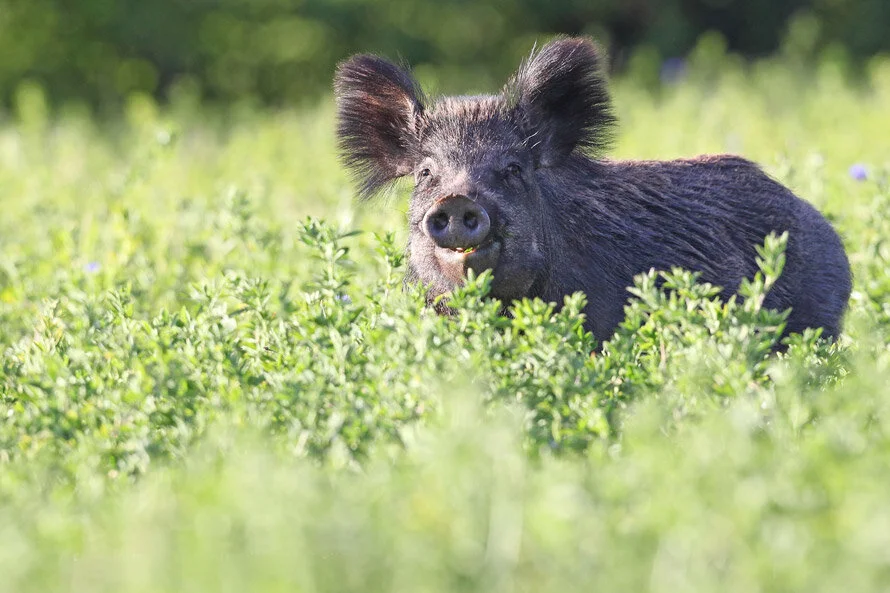
Never a BOARing moment…..
The much-mythologized wild boar is undeniably the ‘Lord of the Woods’. Some may love him, while others loathe him. Either way, he rules the food chain of our area. Though we like to keep our distance, we built our wild boars their own ‘wild boar spa’ - a cool, shaded, watering hole downstream from our pond, with mud and shelter, to keep them out of the vineyard. They love wallowing in it.
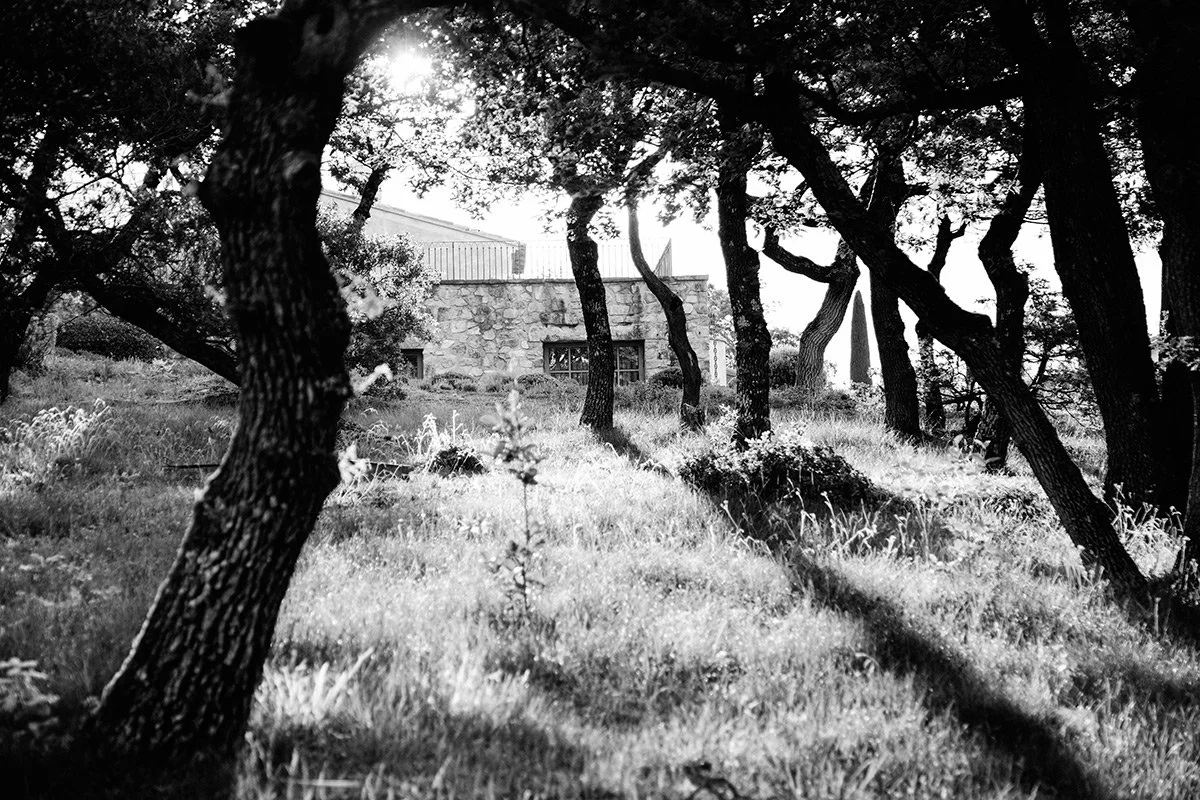
Evening shadows.
Emblematic of these woods, and of course of our property, are the angular white oak trees [Quercus pubescens]. Their gnarly twisted branches reflect the arduous conditions of our rugged land. Marc Nucera is a renowned tree sculptor and artist whose creations fill the property. His skillful hands have sculpted dead oaks into beautiful creations, highlighting their natural charms and giving them a second life.
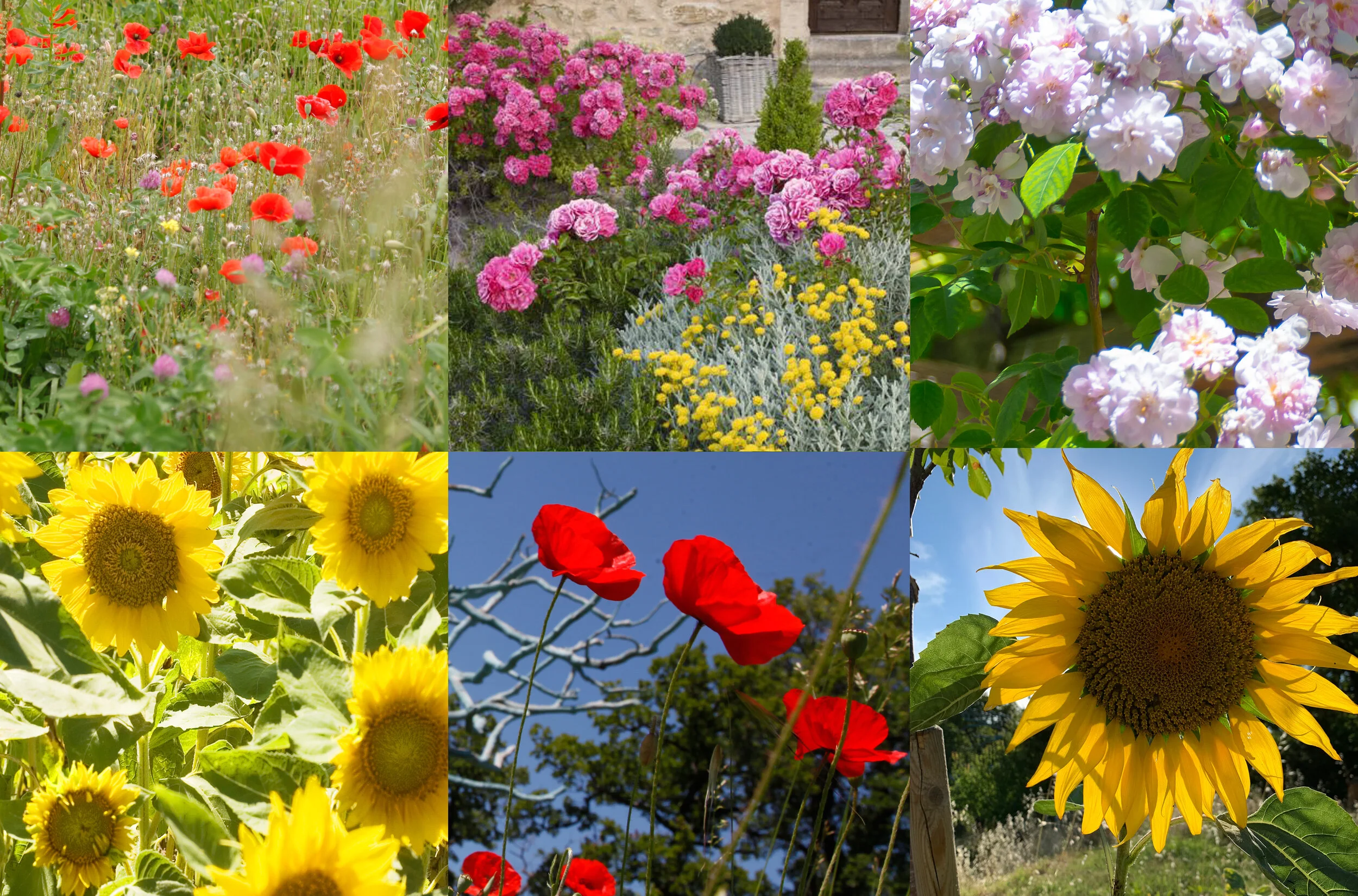
The estate is awash with a plethora of different local wildflowers and plants, as well as seeded flowers propagated in the garden. Xavier — a passionate and knowledgeable rose culturist — planted several dozen varieties of rare medieval roses. Poppies blanket our fields and vineyard in the Spring. They remain a defining aspect of the Provençal landscape, and the local variety, papaver somniferum, has long been used for its sleep-inducing virtues. But it is the sunflower [Helianthus annuus] that became the incontrovertible symbol of Provence when Van Gogh sealed its fate. Worshipped by the Aztecs, this asteraceae is a cousin of the Jerusalem artichoke and every part of the plant has an economic or medicinal use.
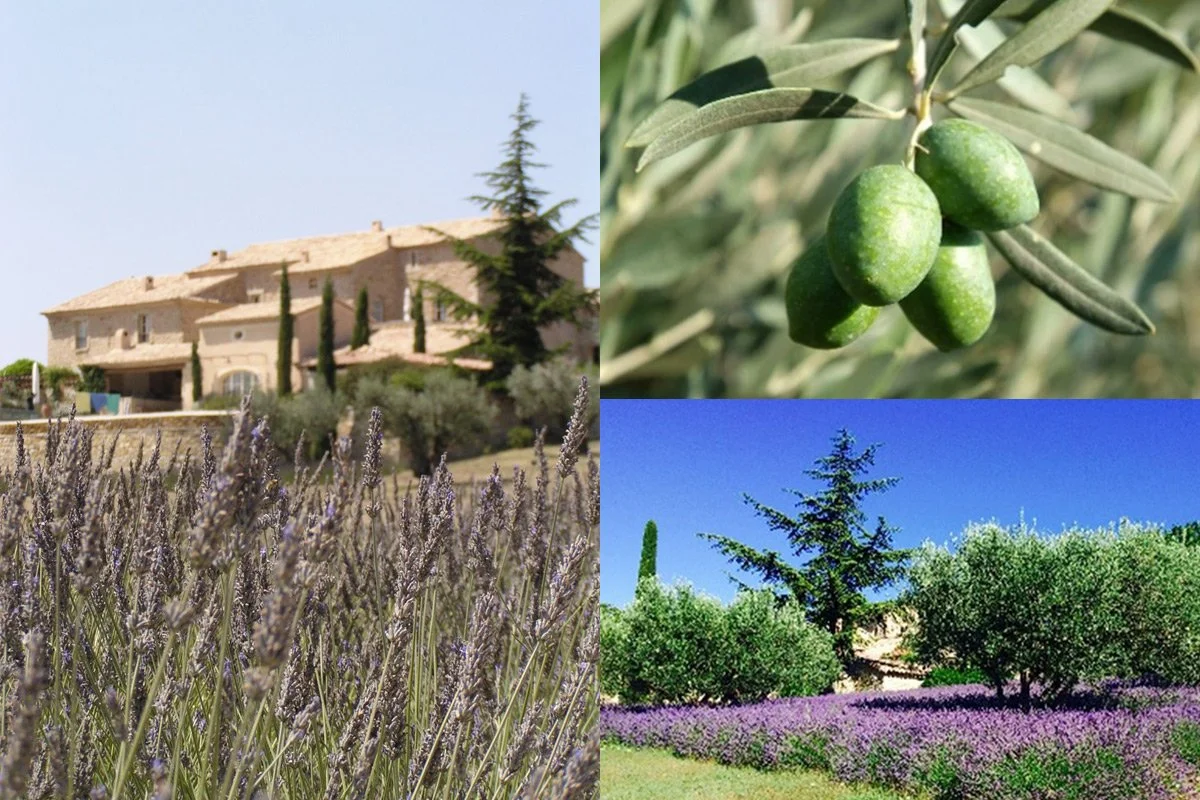
The 60-plus trees in our olive grove offer a variety of delectably different oils. We like to blend the local Tanche variety of Nyons, known for its delicate flavor, with the more robust and fruitier Picholine, Verdale and Salonenque olives to create a perfumed nose and a mildly spicy, elegant flavor.
La Verrière’s fields are also planted with the local strain of lavandin, known for its purity of scent. We harvest and distill our lavender crop in July, then use its essence year-round as a home fragrance and soothing bath oil. Visit our Bleutique for a treat!
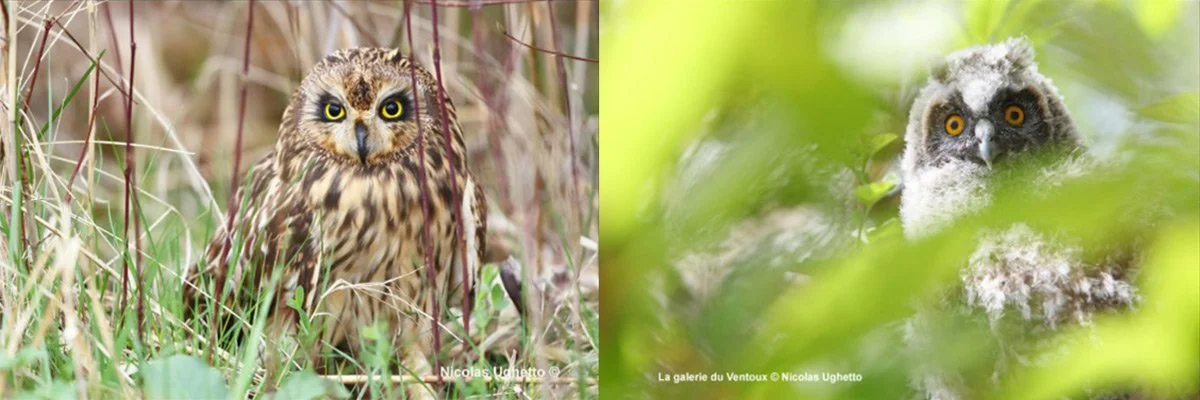
LH: Marais hibou - Beautiful eyes
RH: Petit duc – Who’s that?
La Verrière resort is located as part of a larger estate, which includes the Chêne Bleu vineyards. The Domaine is situated in the UNESCO-protected biosphere reserve of the Mt Ventoux, in Southern France. Some 77% of the Domaine's 135 hectares are preserved for biodiversity. The team onsite actively protects the fauna and flora, working to harness that complex ecosystem while supporting guests’ everyday needs.
The surrounding (PEFC-certified) forest is managed actively in conjunction with the National Forest Protection Agency, while the team’s commitment to biodiversity has led to other certifications such as Bee Friendly, Ecocert, (organic) and HVE (3).
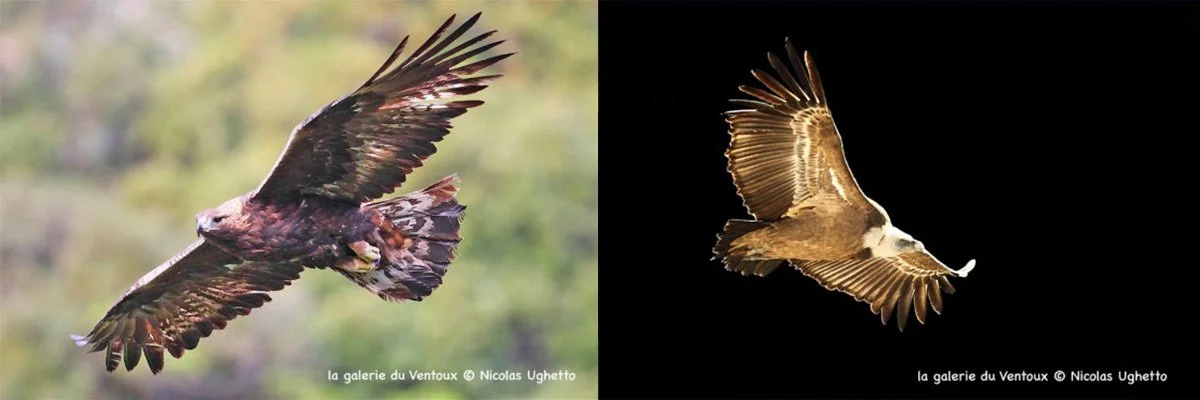
LH: Aigle-en-vol – Winging it
RH: Vulture – Ready to swoop
Beekeeping and local produce, including from biodynamic farming onsite and nearby, reinforce an ongoing commitment to maintain organically tended gardens and dedicated soil management techniques to enhance the vitality of the local ecosystem. Dozens of bird species have returned, alongside other animals, and this complexity is reflected in off-the-charts diversity of microorganisms and rhizome networks in the soils.
The estate’s medieval vegetable garden, olive grove, orchards and grounds are managed using sustainable practices, focussing on native plants and flowers. During the winter, goats and sheep roam the grounds freely, naturally grazing the grass and fertilising it.
Animals used in La Verrière kitchens have been cared for in the wild in accordance with robust animal welfare standards.
Owing to locally oriented sourcing practices, animals can be traced back to their origins. Meanwhile, everyday products served to guests have been certified by standards such as ‘label rouge’ and ecovadis. Foodstuffs are forbidden if any trace of endangered species were to be found according to the latest lists provided by the International Union for the Conservation of Nature (IUCN) or the Convention of International Trade in Endangered Species (CITES).
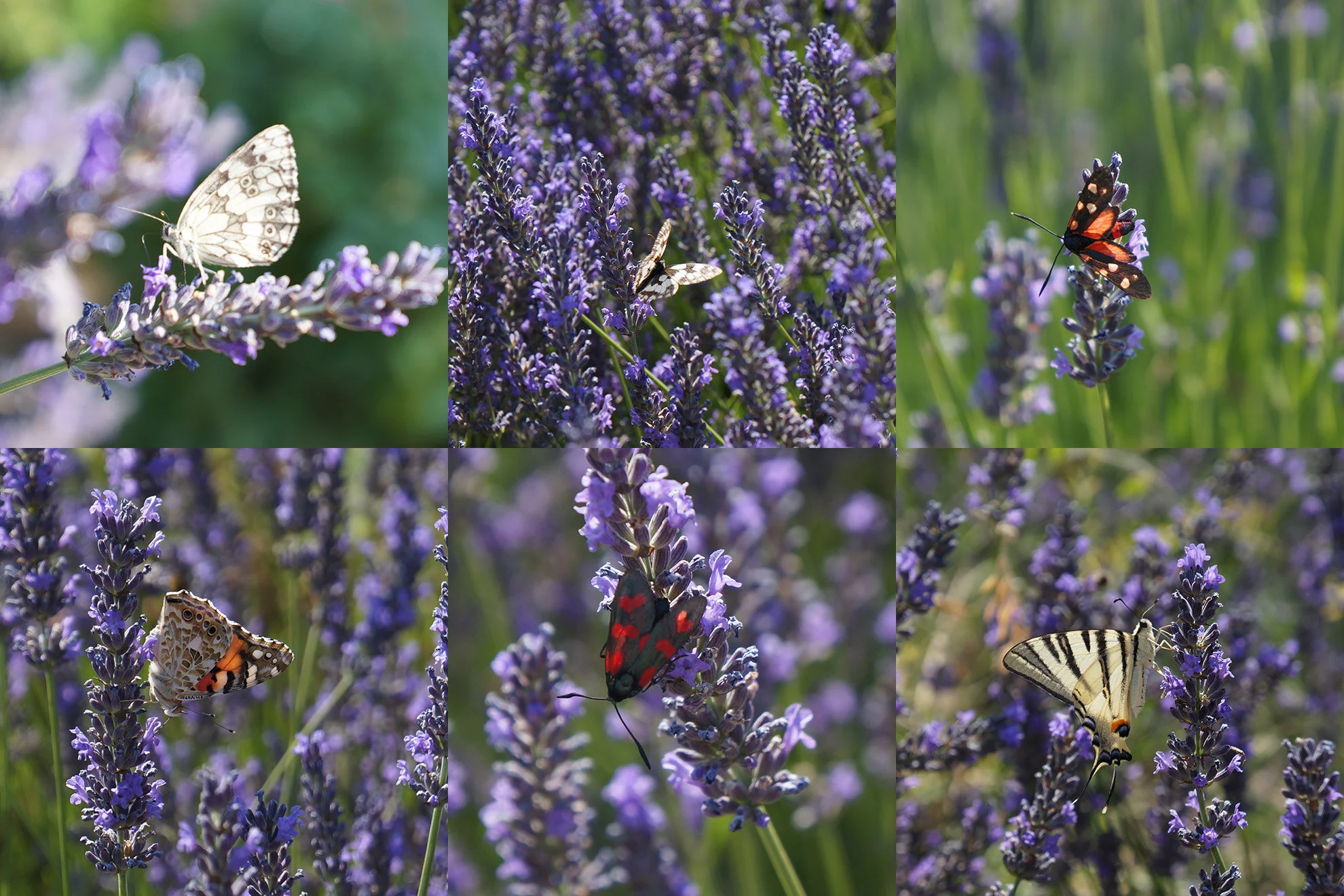
We are located in the heart of the biosphere of the Mont Ventoux, which boasts some 1,400 species of butterflies alone, 30% of the total butterfly species found in France. In the Spring endless hatches fill the air and cover the bushes with vibrant colors and a variety of shapes. We can provide butterfly nets for connoisseurs and enthusiasts.
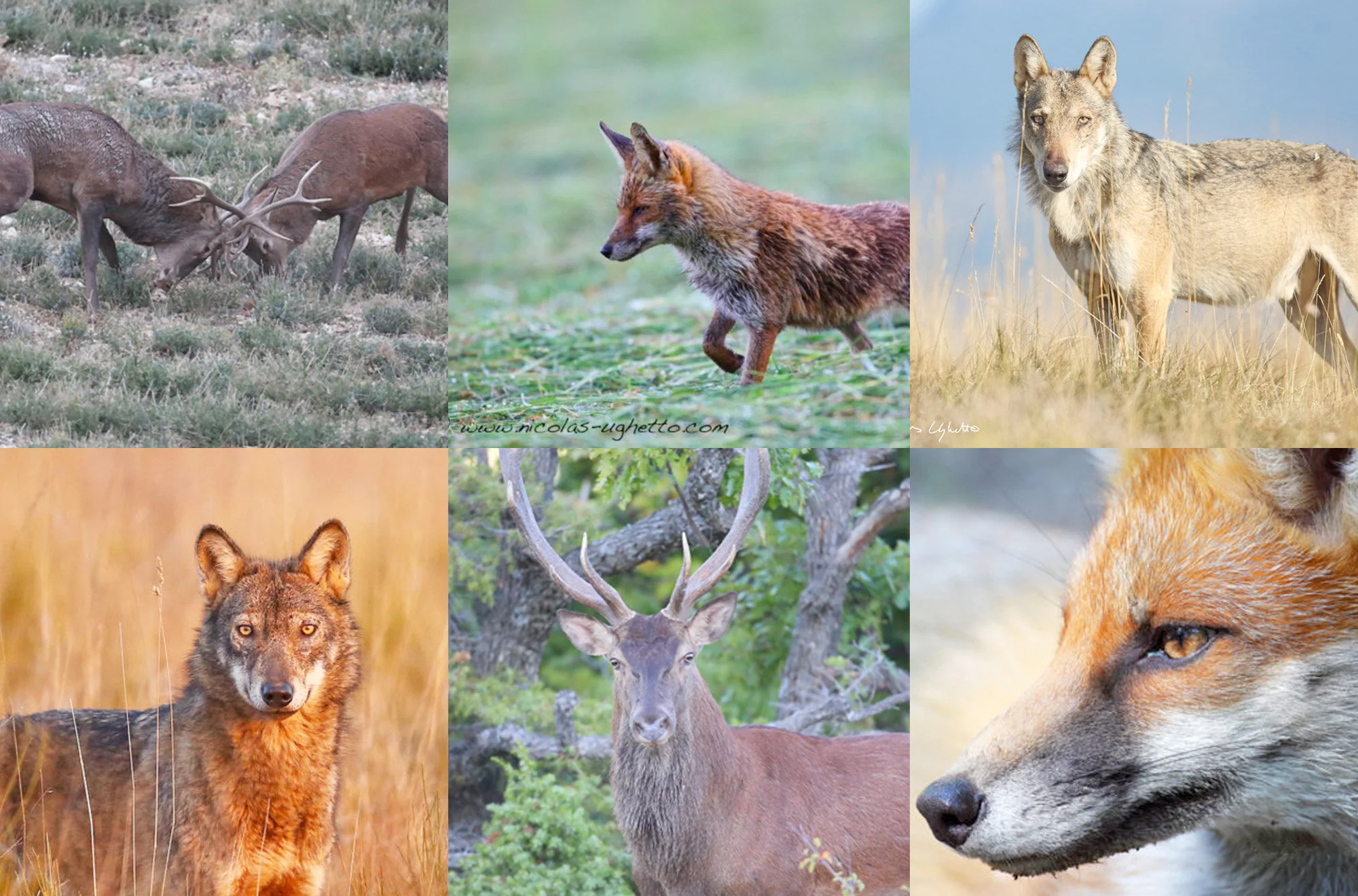
Photography: Nicolas Ughetto.
Many streams and passes were named after wolves, which dominated the hierarchy of the surrounding woods at La Verrière until the last century. A stone’s throw from the house is La Loubatière, a seasonal creek long frequented by a wolf pack. Le Pas du Loup, a mountain pass directly across from the vineyard leading to the St Amand, was a known wolf denning site.
All but wiped out by hunters, they were reintroduced in the Southern Alps a few decades ago and are now resuming their rightful place in the food chain. Historically, the presence of wolves around the estate caused La Verrière’s last occupant, Mademoiselle Ravardel, who lived there in the late nineteenth century, to write about them in her diaries. On her daily walk down to school in Crestet she constantly worried about close encounters of the wolvine kind.
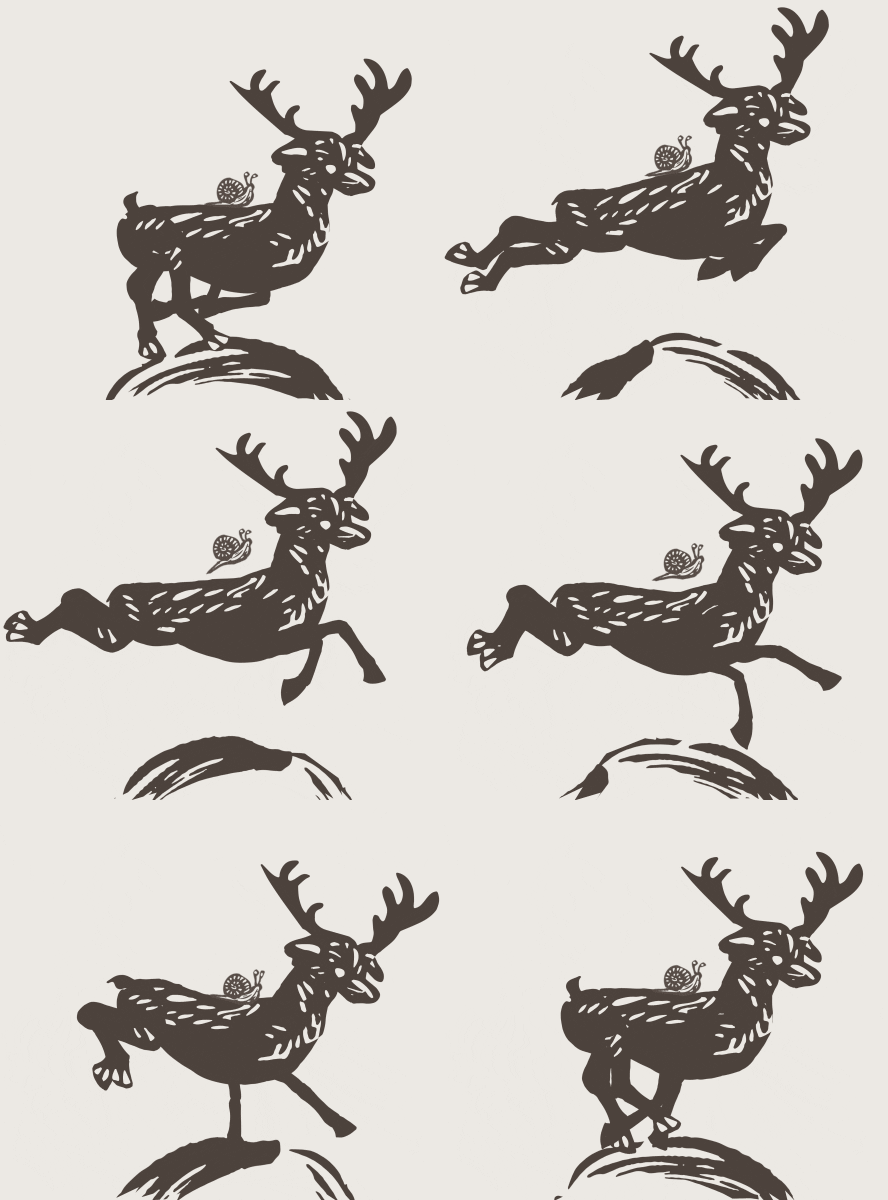
And with good reason because that’s how the son of the estate manager met his untimely demise! Deer are seldom seen during the day and tend to hide in the deeply forested areas. Early in the morning or at dusk you might spot a whole herd leaping out across our pastures and vineyards, seeking tender shoots and tall grasses to shelter out of harm’s way.
Clever foxes and martens are completely at home at La Verriere, sneaking around the outskirts of the forest. As cute as they are crafty, their predilection for rabbits and hares is vital to keeping the population of leporidae in check.
“The natural environment sustains the life of all beings universally.”