FR |
Cart 0


Terroir
 

TERROIR

Microbiologists Claude and Lydia Bourguignon, who consult for some of the world’s most exclusive wineries, pointed out that the Rolets’ soil contained unusual mineral properties that lent it to the production of very good wine.
— Will Lyons, Wall Street Journal

“The grapes at La Verrière represent the best of several worlds.  We are very high up – which brings great freshness and finesse.  Being so close to the edge of a tectonic plate exposes the roots to complex mineral soils. 

Crucially, we are isolated from everyone, with no risk of exposure to chemicals or pollution, ensuring thriving, bacteriologically rich living soils.  What more could a wine producer ask for?
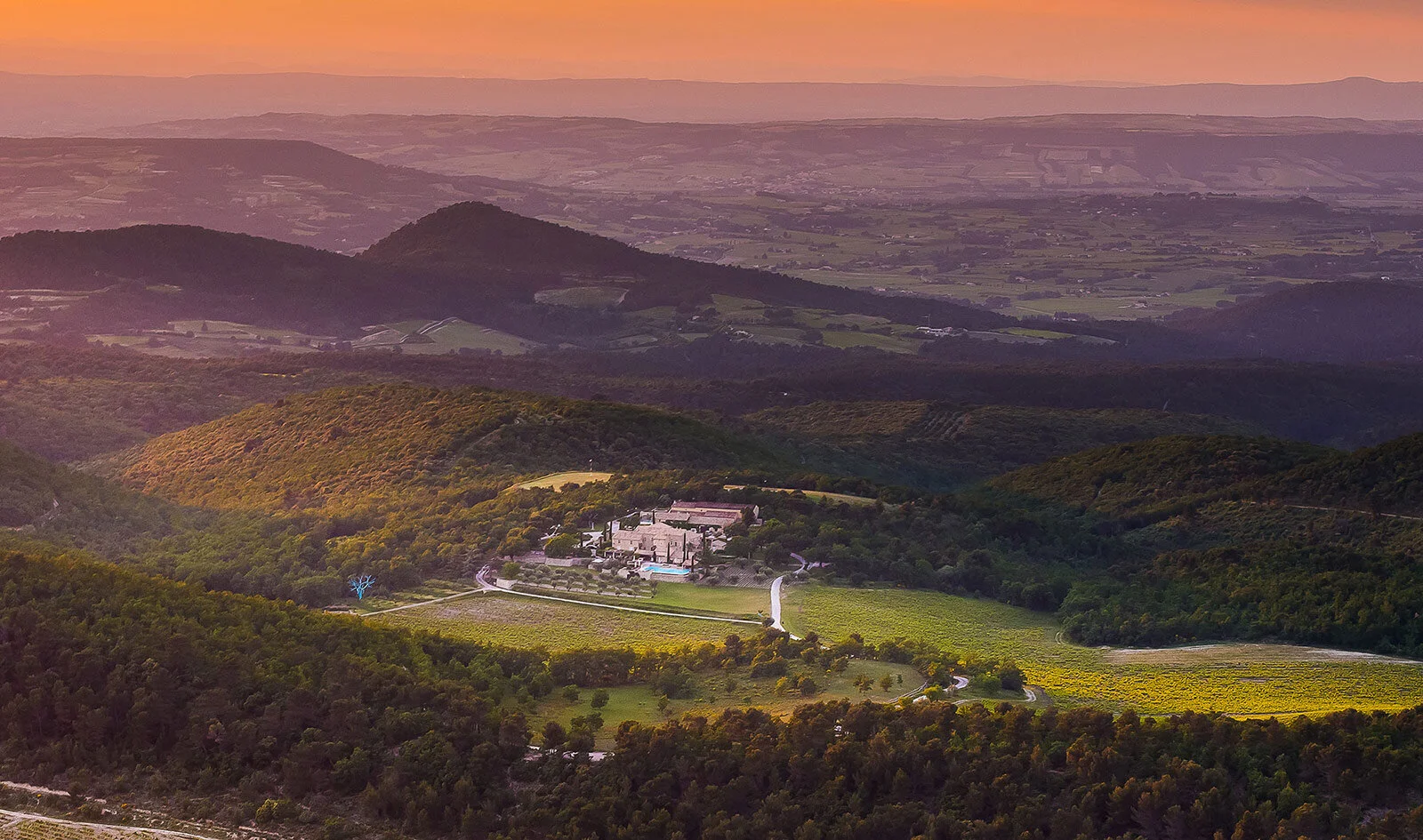
 
cb-house-at-sunset-resized.jpg

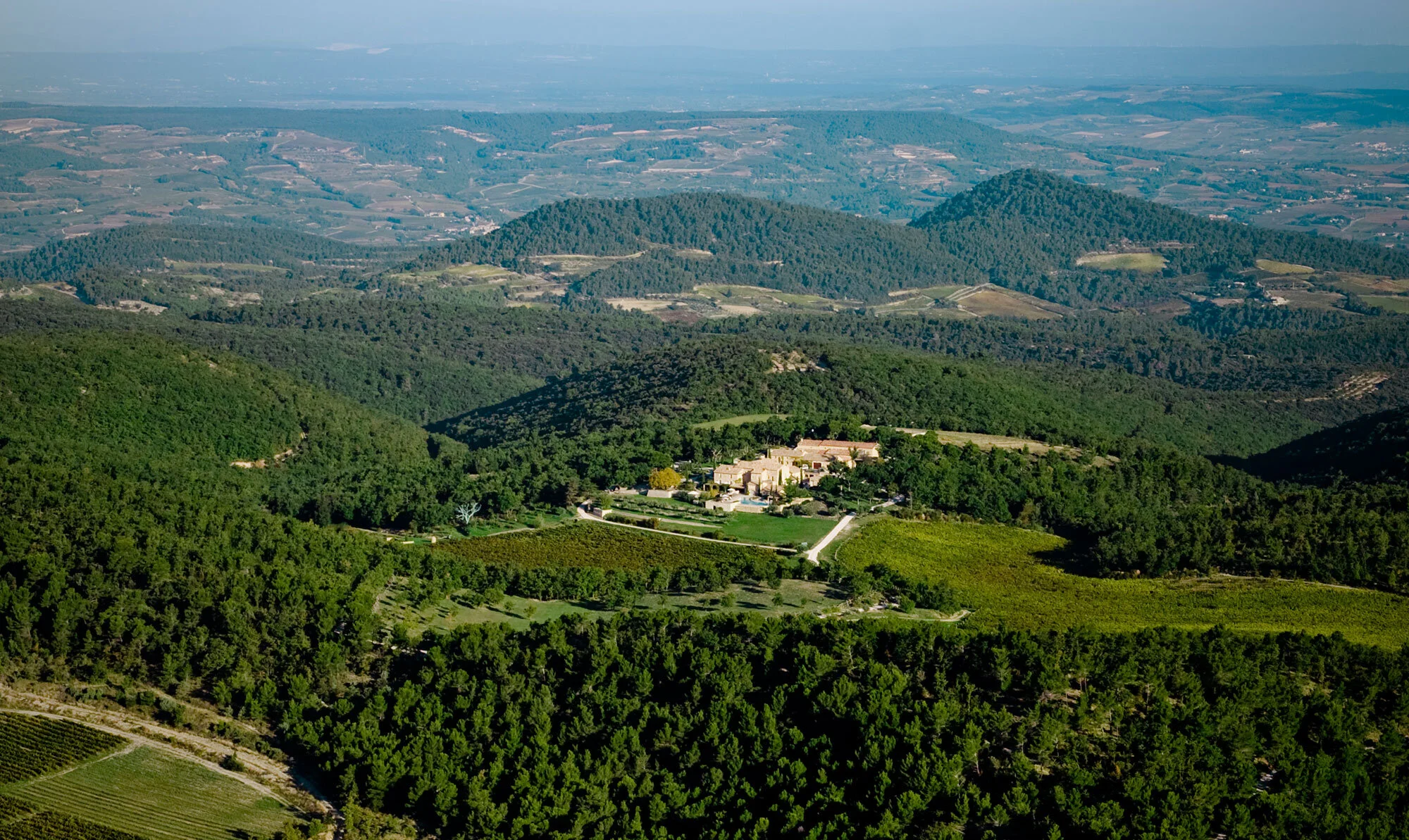
The priory and vines are surrounded by a protected forest looking down on to the valley of Vaison.


LOCATION, LOCATION, LOCATION

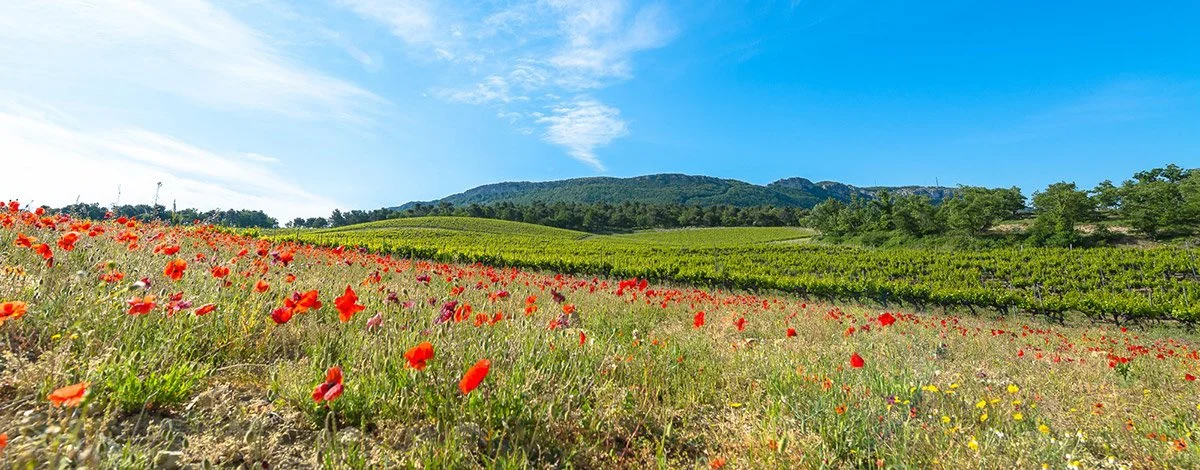
Tucked away in a UNESCO-protected reserve and Natural Park, the estate lies in a truly privileged site, a mountain saddle above the little village of Crestet.  Across the rolling slopes of this natural amphitheater, we look out onto on the northern face of the Mont St Amand, precursor to the jagged limestone peaks of the Dentelles de Montmirail.

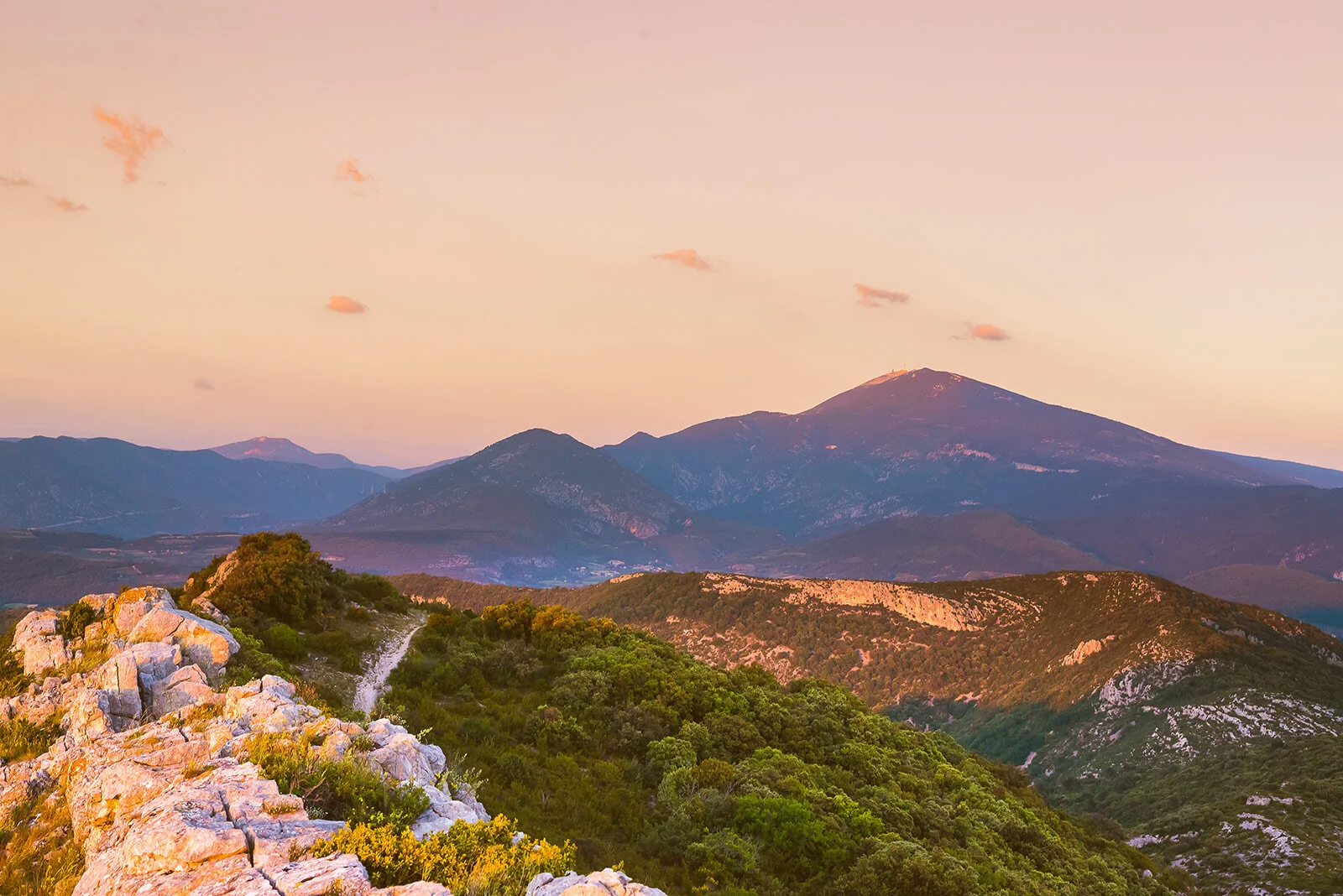
These foothills of Mont Ventoux, the ‘Giant of Provence’, cradle some of the highest vineyards in France.  On the wine map, we are in the Southern Rhône on the border of Provence.  Our vineyards start on the upper North-West corner of Gigondas, extending higher and overlapping into several other appellations.

 
   The caption goes here.

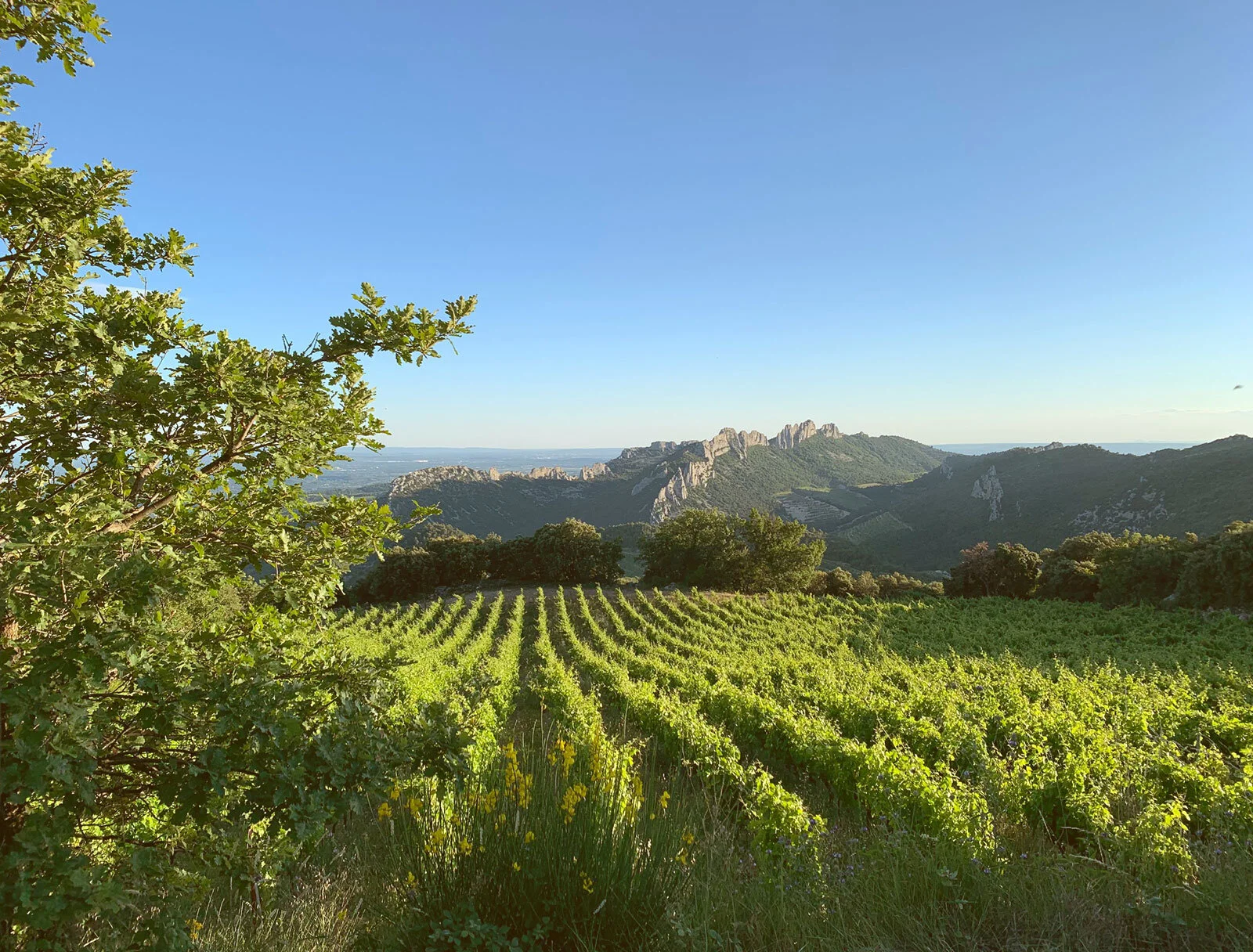
The Stegasauras-like profile of the Dentelles de montmiral viewed from the other side of the St Amand.


AMAZING ALTITUDE

Being so far in the sun-soaked South of France, on a latitude similar to nearby Châteauneuf-du-Pape, we are grateful to receive as many of its benefits as our neighbors, and the sun brings gorgeous concentration of flavor and richness.

Our elevation keeps the air cool and crisp despite all the sunshine, so the flavors stay bright and fresh and the wines age remarkably well.  This aging capacity is typically what differentiates truly great wines from good ones. 

 
terroir landscape

The St Amand, highest peak of the Dentelles, towering over our vineyard.


Semi-Alpine vegetation with mountain pines brings fresh aromas that offset the rich essential-oil smells, like rosemary and thyme, of the surrounding Garrigue. All over the world, winemakers are now scouring the countryside for vineyards that possess this duality of being far South and high up, a race to the top exacerbated by global warming.

The Ventoux in general benefits from temperatures on average 20% cooler than its neighbors. This is then amplified as you gain altitude. The benefits of this hot-latitude-vs-cool-altitude combination can open the door to Grand Cru-quality. 


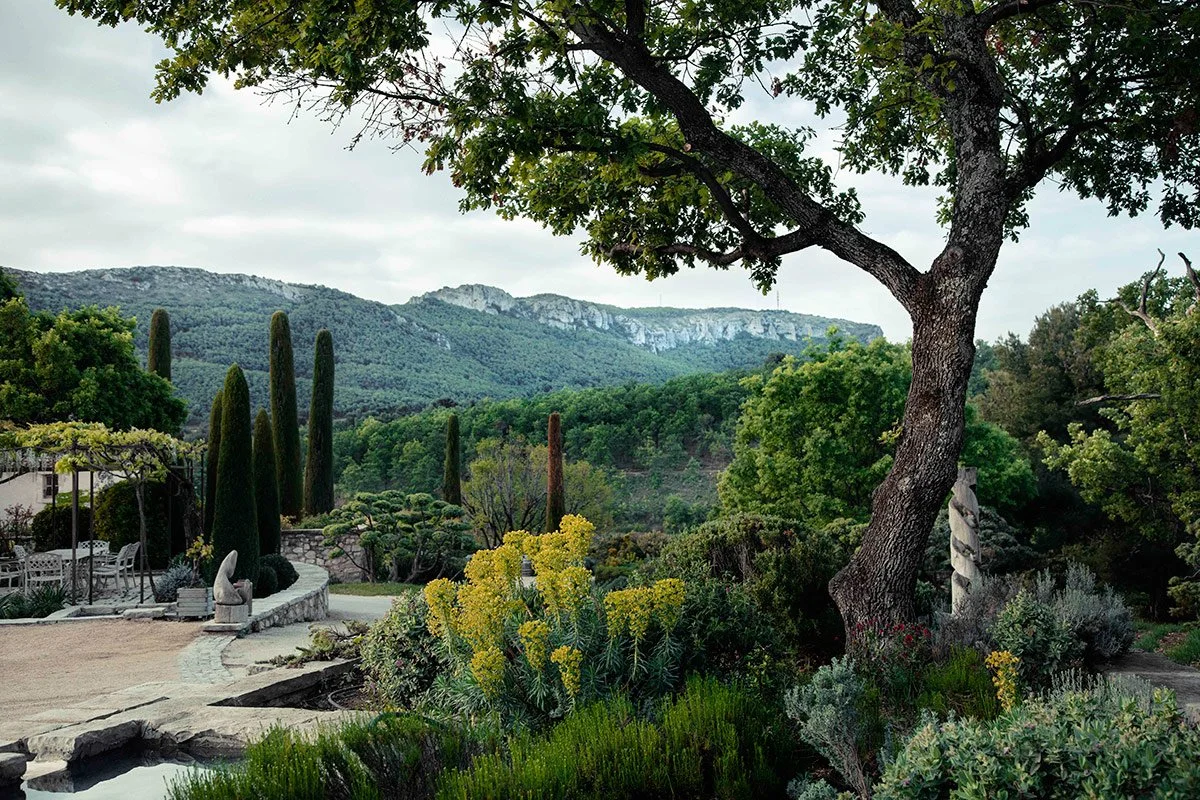
All our vines are nestled in this protected mountain saddle.


IDYLLIC ISOLATION

No need to worry about neighbors’ polluting practices here!  The air is clean, the water pure, and everything just pulsates with life, from the wildest animals to the tiniest of micro-organisms.

Birds, bees and butterflies wing their way to fruit and wildflowers.  Boars, deer, foxes, hares, martens & even wolves rummage in the undergrowth.  Meet our Wildlife.

 
Terroir landscape

The edge of the tectonic plate of Europe, in the St Amand right above our house.


GENEROUS GEOLOGY

Vines may hog much of the attention at any wine estate, but the soil and bedrock are critical.  Fueling my longstanding passion for geology, we studied the complex soils at the estate for over ten years with the input of specialists, including the iconic geologist Georges Truc. The foothills of Mont Ventoux were formed by the tectonic plates of Africa and Europe smashing together.

On our site, one plate slipped under the other, causing subduction: the edge of the upper plate was thrust vertically onto its side, revealing an exciting mix of Cretaceous, Jurassic, and even Triassic soils, typically buried hundreds of meters underground.  It is an extremely rare privilege to grow grapes right onto the exposed ridge of a tectonic fault line.

 
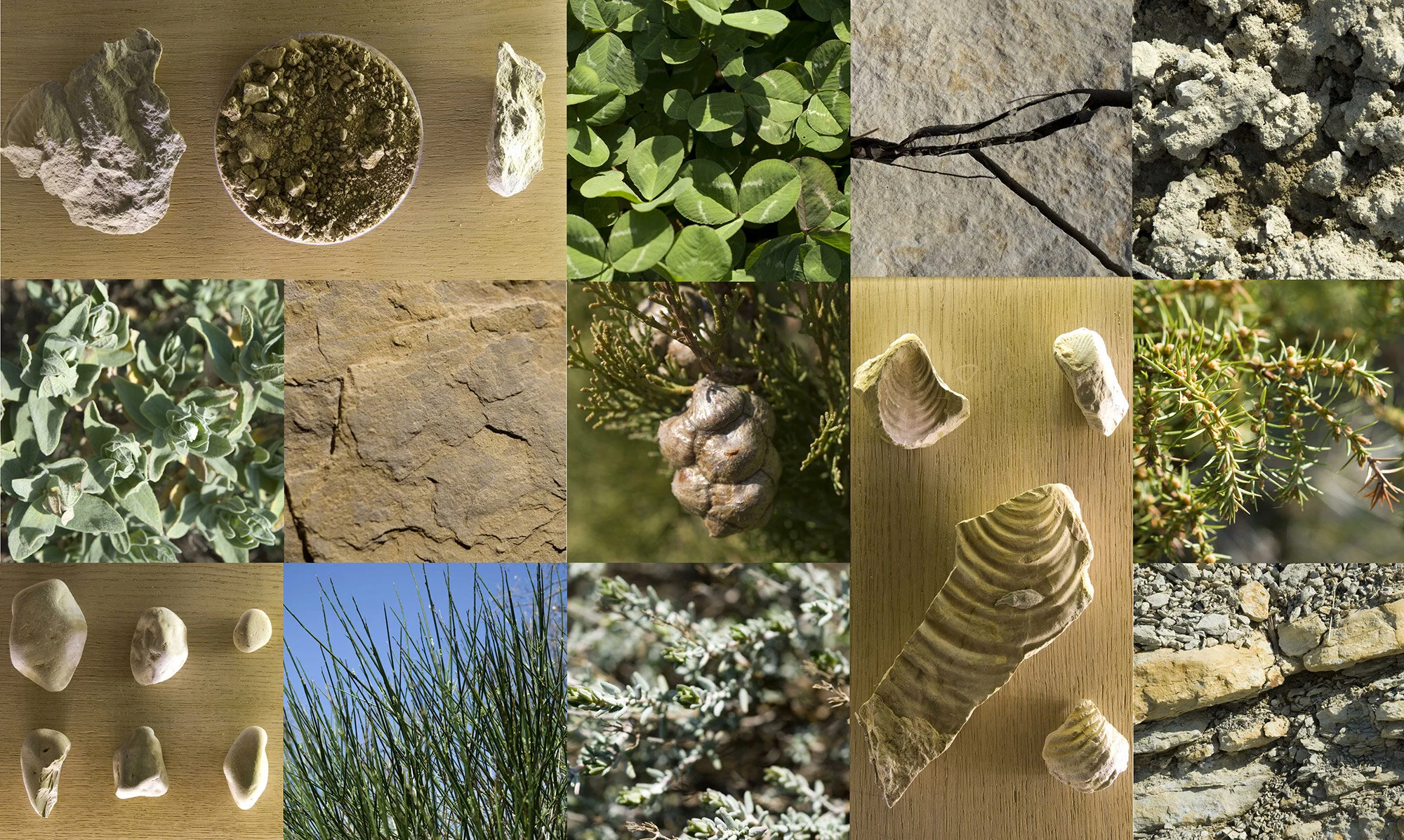
B3--The-Terroir--collage-rocks.jpg

Complex soils and diverse semi-alpine vegetation bring freshness and nuance to the sun-drenched grapes


          (Click image to zoom in)

Today this cross-section informs our decision to grow different grape varieties in different parts of the vineyard.  It brings distinctive savory ‘seasoning’ to our fruity juice — a mineral ‘signature’ that enhances its flavor, complexity and aging potential.  Since our vines are so old and our conditions so dry, we suspected that they had extra deep roots, digging tirelessly to reach for water tables to survive.

But nothing prepared us for the shock of finding Grenache roots, which are normally a few meters deep, at the bottom of our well, so far below ground.  We marvelled at the number of compounds the water would bring with it as it travelled that distance.


Miraculous microbiome


     Wine map of Rhône Valley France, courtesy of Wine Folly. 
     (Click image to zoom in)

There is much ground-breaking research showing how, to absorb minerals and nutrients, vine roots need micro-organisms to break down the compounds.  We began to lift the lid on the fascinating world of our soil’s unique microbiome, in the hopes of getting to know them on a ‘first-name basis’. 

This vast universe was opened up to us by Claude and Lydia Bourguignon, the renowned soil experts. It was an honor to work with them as they identified and catalogued thousands of species, finding a veritable ‘Jurassic Park’ of micro-organisms that are extinct elsewhere, yet essential to the health of the vines.
Nowadays, many credit these miniscule creepy-crawlies with transmitting the actual taste and style of Terroir — another of the pillars of the definition of a fine wine, and a backbone of our SustainaBEElity initiative. 

We began to plant cover crops between the vines which increased our biodiversity, by housing a greater wealth of pollinators [like bees and butterflies], earthworms and other organisms.  All this also allowed us to oxygenate the soils without tillage or chemicals. 

Having established a partnership with the scientists of the UNESCO Biosphere and the University of Avignon, we now contribute this catalogued data to their research, and in turn they help us monitor the animal population.


APPELLATION VS. TERROIR — RHÔNE TRADITION WITH A TWIST

We often get asked which Appellation [AOC] our wines fall under.  The vines at La Verrière lie at the exact boundary of four proud Rhône appellations: Ventoux, Gigondas, Côtes du Rhône, and Séguret, where the corners connect.  Yet upon observation, we became convinced that our plots have more in common with each other than with the valleys nearby, due to their shared microclimate, geology and altitude. 

Local experts have confirmed to us that the appellation maps in our area were drawn up in a particularly quick and arbitrary way, mainly following local commune lines rather than terroir, at a time when there wasn’t much at stake.  So, instead, we spent a lot of time studying our terroir and building the logic of our blends around the expression of our grapes.

We decided to blend the wines as we saw fit: sometimes they fall into the appellations and sometimes they are classified as Vin de Pays because we blended two blocks, or ‘parcelles’, from different appellations, or with grape types that are not recognized by them.

This led some top pundits to refer to our wines as the first ‘Super Rhônes’, in reference to the Super Tuscans.  In their opinion, the various cuvées reflect noble traditions of the Rhône, but are distinctive and punch above their weight in terms of the expected quality.

Unlike Super Tuscans, we do not use Cabernet or other such international varieties, preferring to keep the traditional Grenache and Syrah as a base, since they seem so well suited to the terroir, complemented by some unexpected varieties— Rhône wines with a twist.

We now work closely with the up-and-coming Ventoux AOC.  In our view this area holds tremendous promise as one of the great emerging wine regions, due to the generally cooler average temperatures, which bring finesse and aging potential to full-bodied fruit.  Our goal here is to showcase the surprising variety of great and unusual wines that can be borne from the patchwork of exciting micro-terroirs in this area."

— Xavier, Co-Founder & Director


Ventoux, the winemakers say, has everything going for it: soil, altitude and the coolest climate in the Southern Rhône.
— Joanne Sasvari, Vitis